Fighting Words (Part 4)
The last part of the thread started in Fighting Words (Part 1), continued in Fighting Words (Part 2) and Fighting Words (Part 3).
Most of the below appeared/ became also prominent from November 2019 and beyond. A bit like the slogans in Fighting Words (Part 3), these are infinitely less sunny that those in Fighting Words (Part 1) and Fighting Words (Part 2). But it also ends with a hope. Maybe some day when our city is free, we may finally be able to meet again.
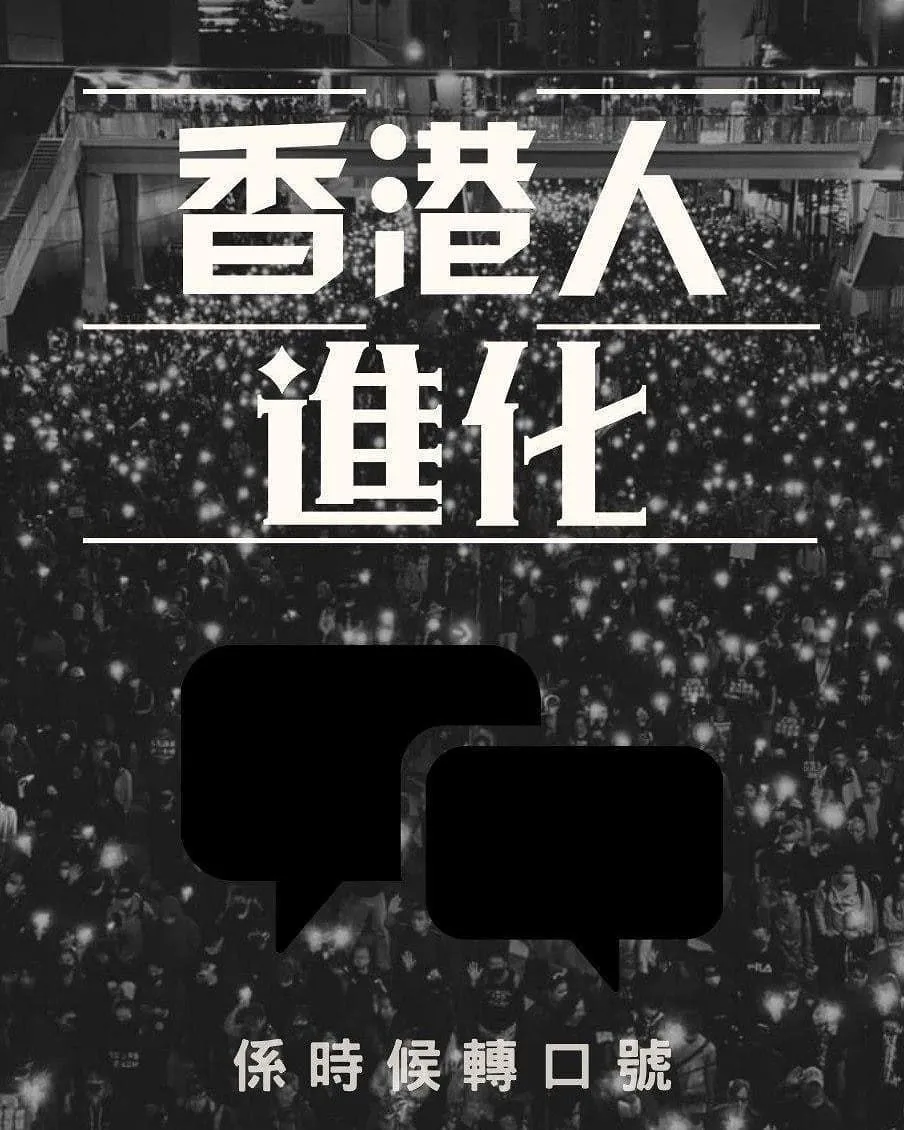
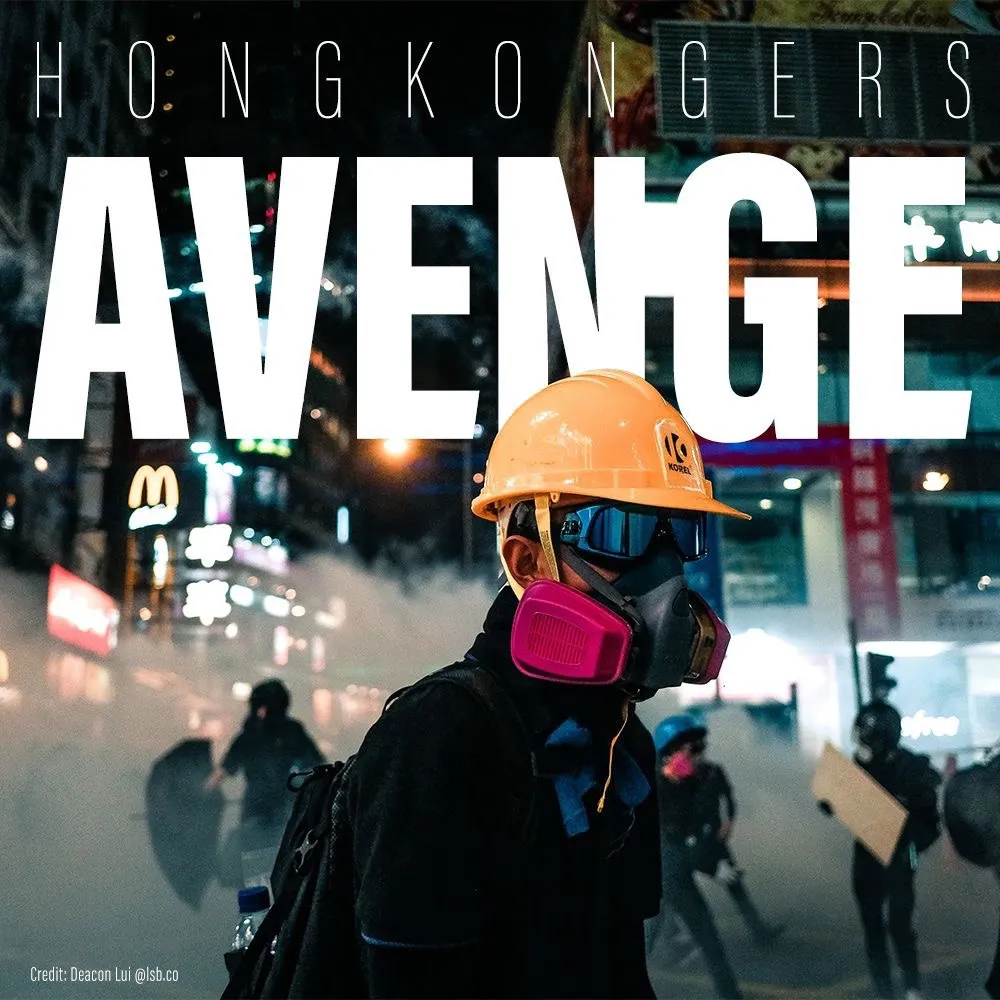
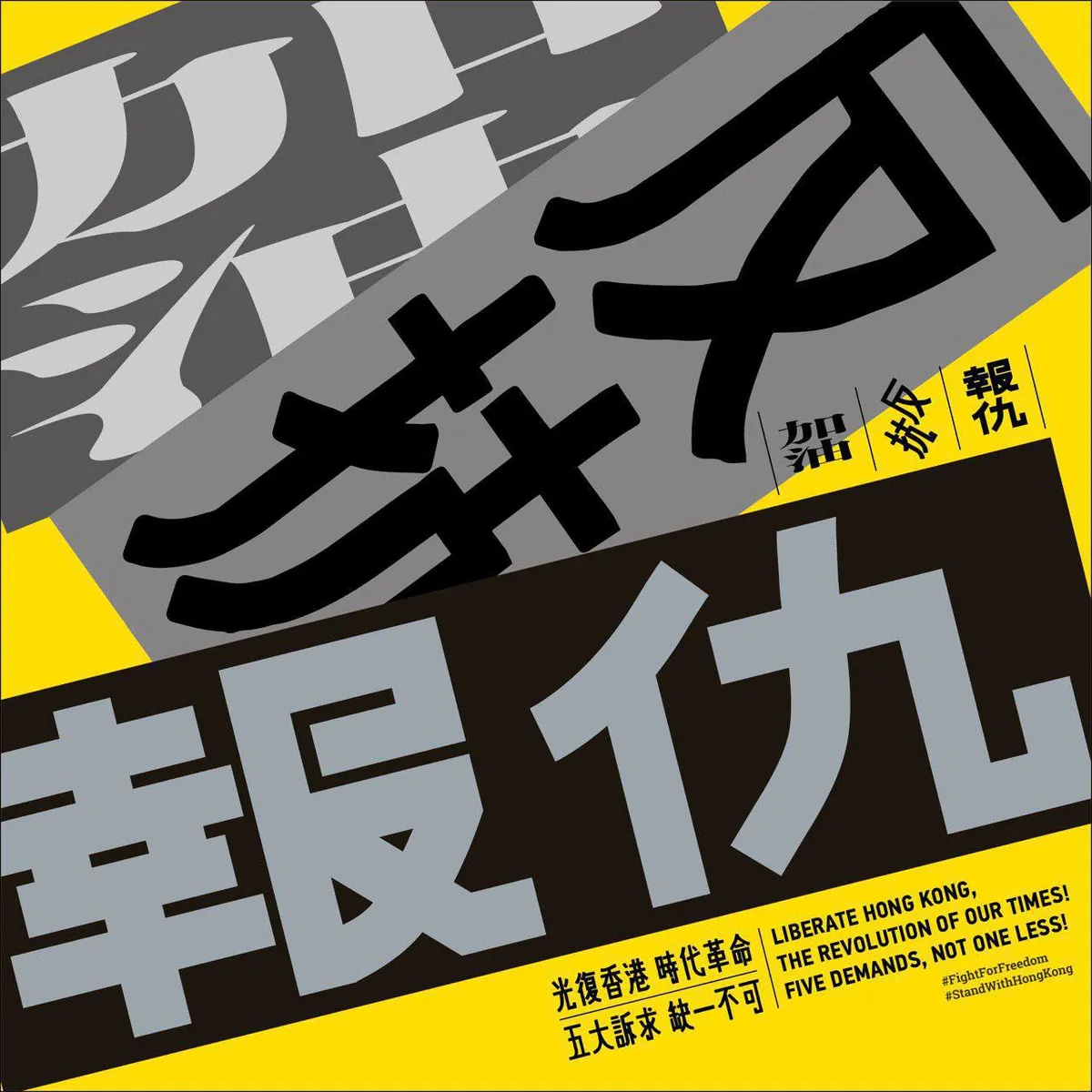
C: 香港人, 報仇!
E: "HKers, avenge!"
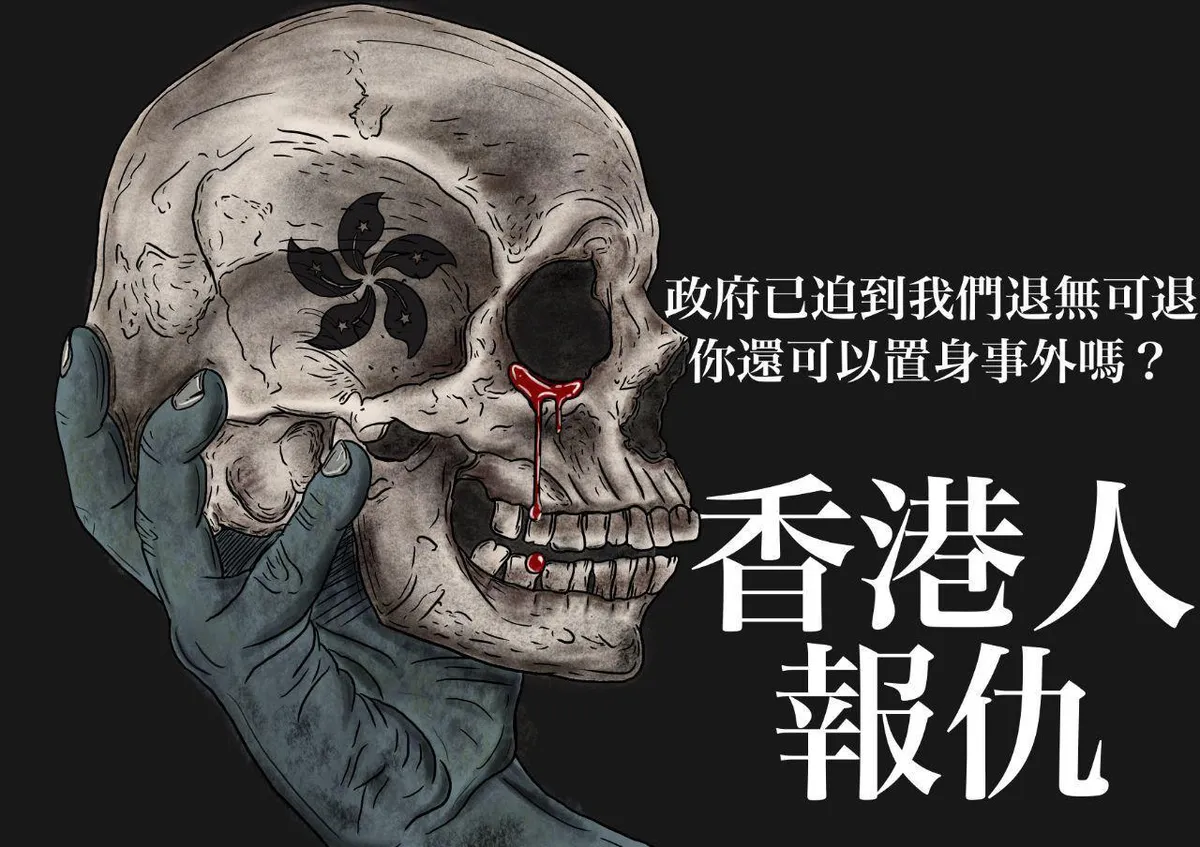
Source: Telegram, Nov 2019
In early November, Alex Chow, a protester, fell to his death after a police chase. The death was ruled misadventure a few years later, but a phrase that started appearing in mansuen, '他是被政權推下去' ('He was pushed by tyranny') lays the blame squarely at the HK government's feet. Chow was pronounced dead on the morning of 8 November 2019. Within a few hours 香港人, 報仇! flooded the mansuen channels.
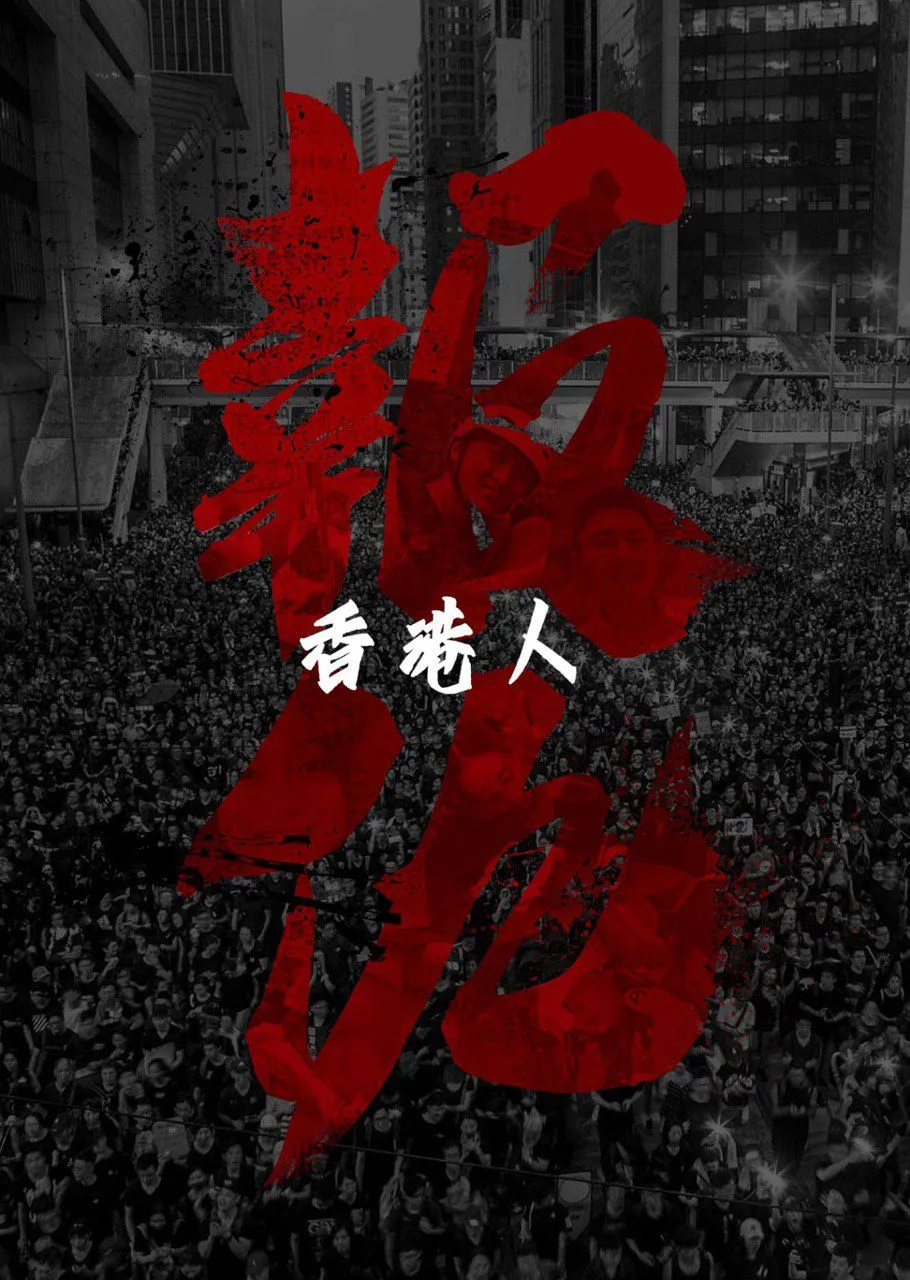
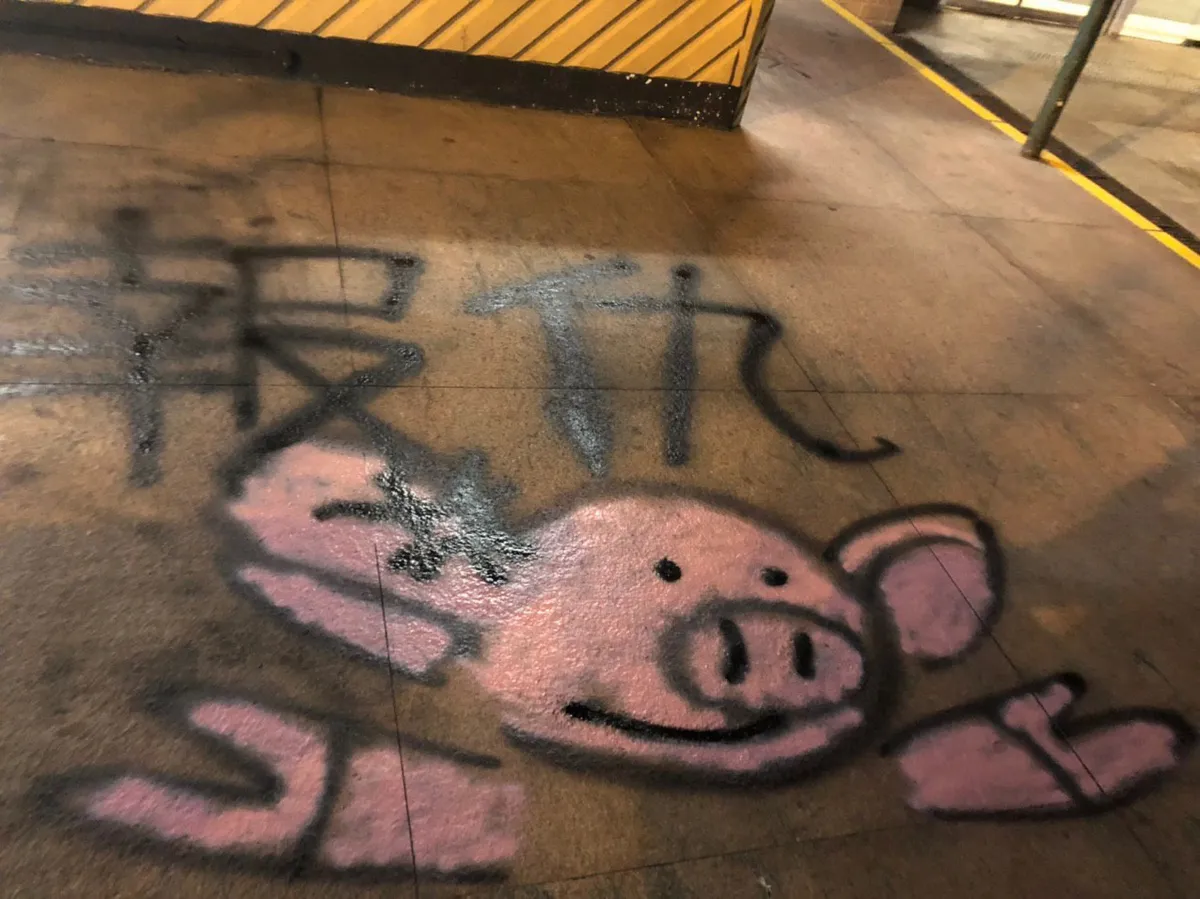
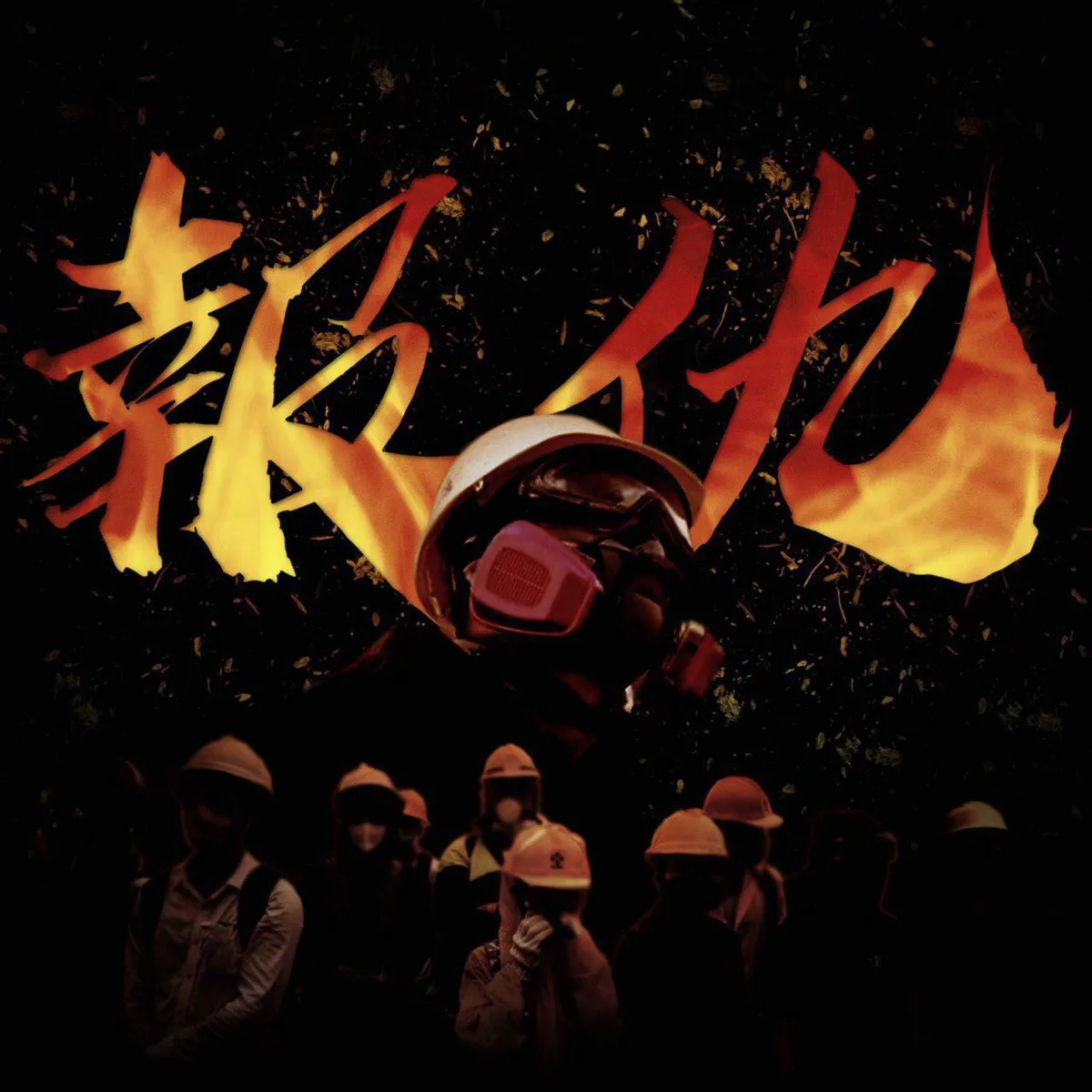
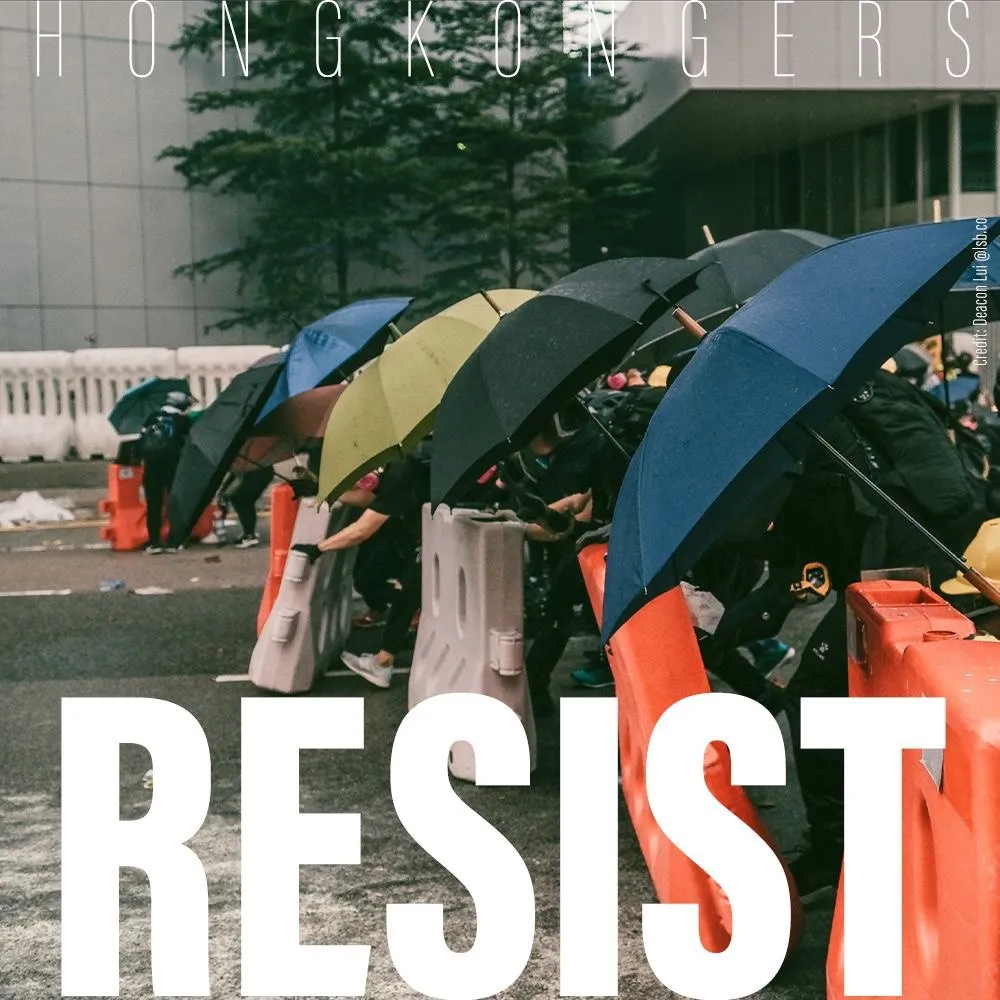
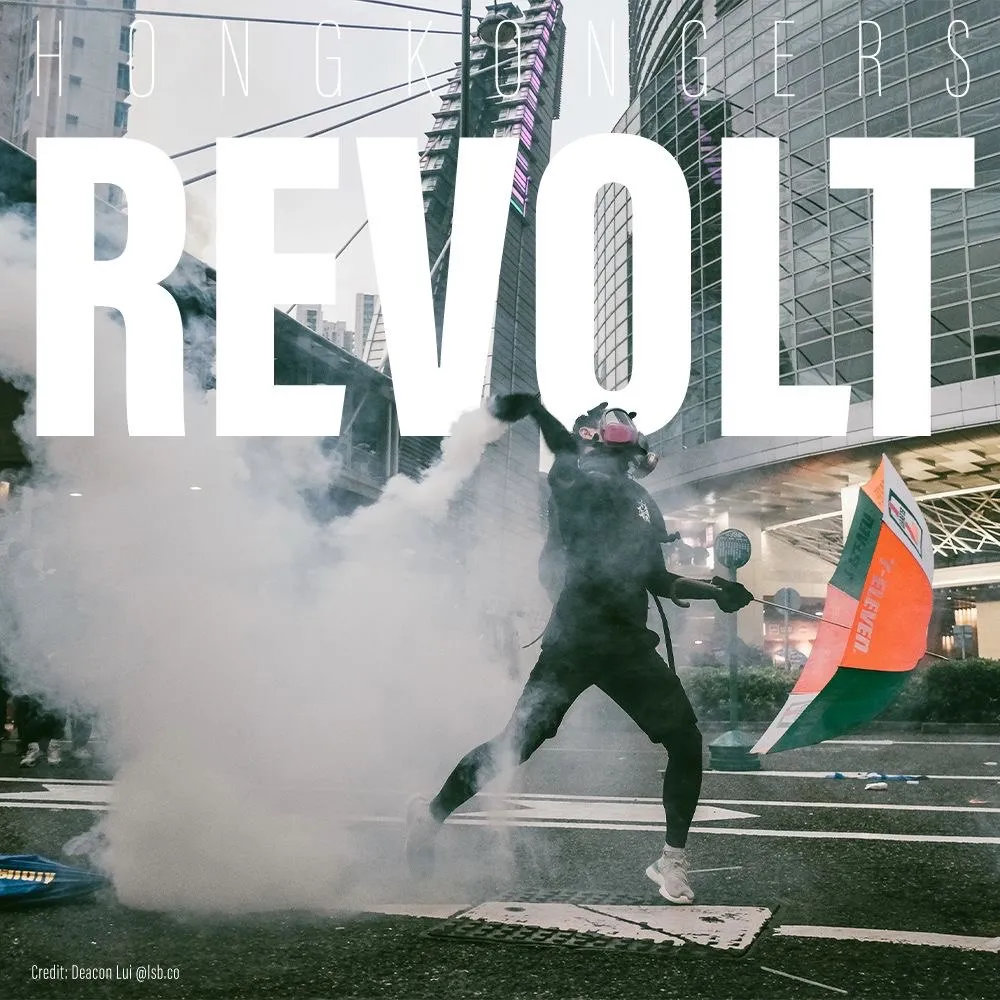
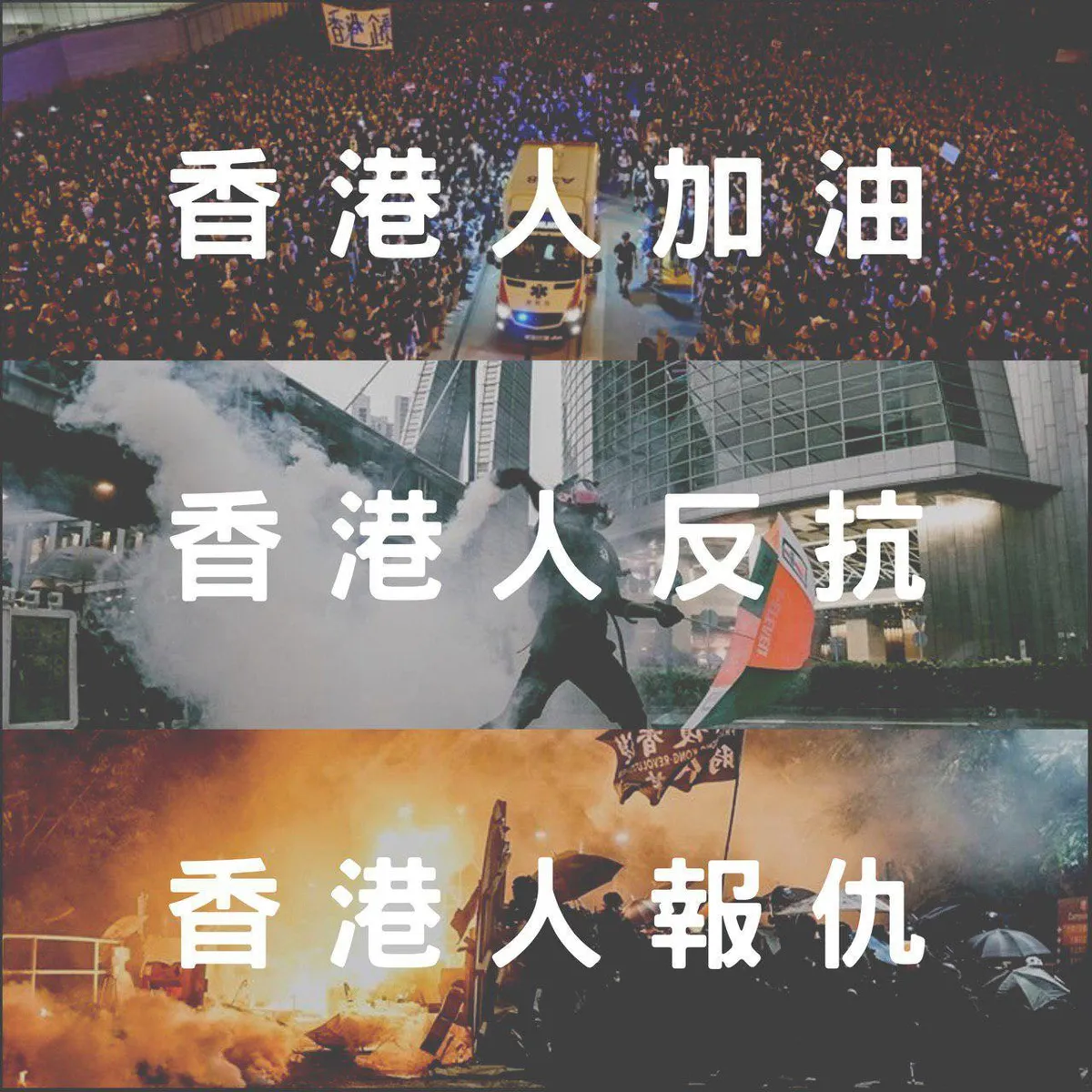
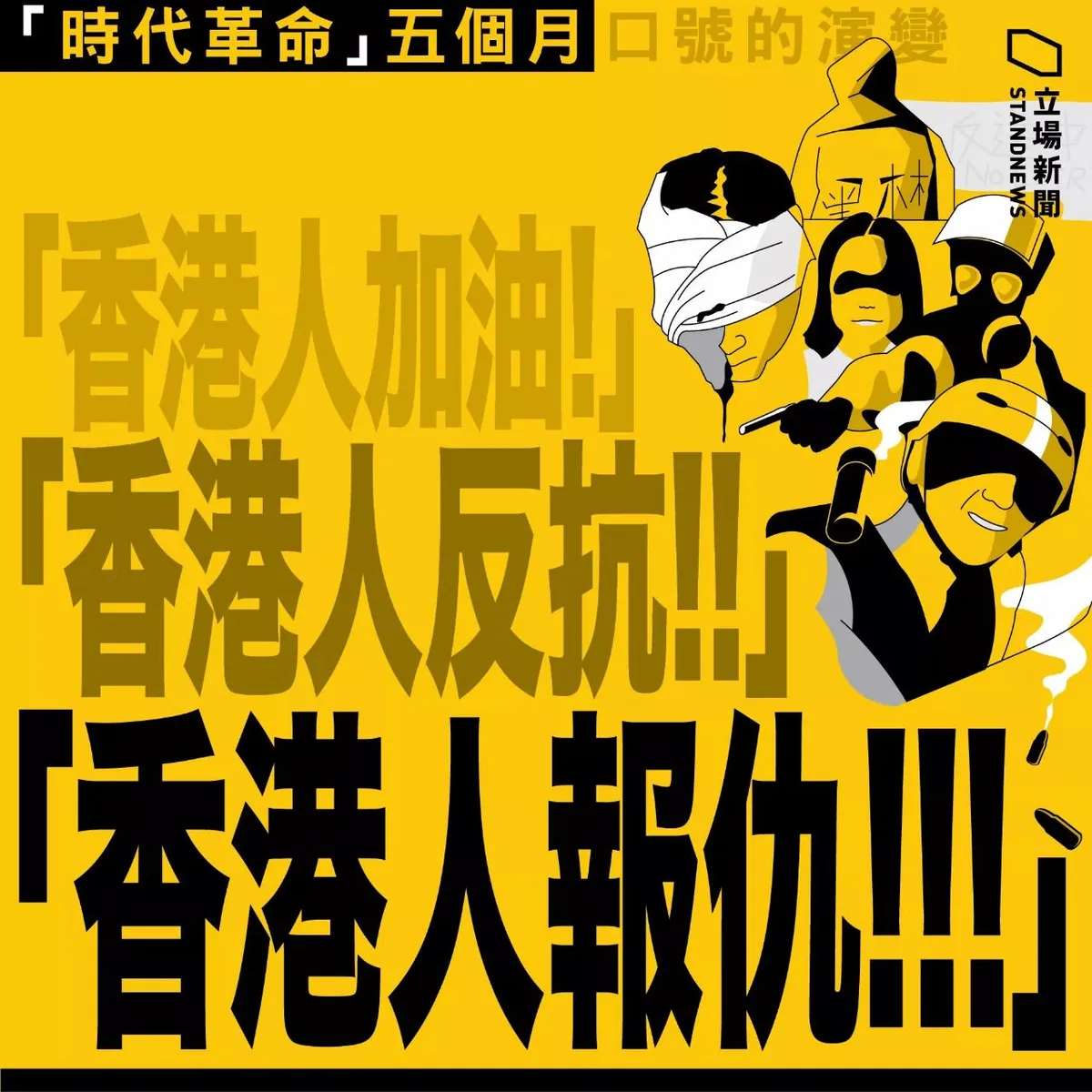
'香港人, 報仇!' is considered the final form of the '香港人, 加油!' protest slogan. The evolution of the phrase from '加油!' ('Add oil!') to 反抗 ('Resist!') to 報仇 ('Avenge!') did not go unnoticed. A progression from the very ubiquitous phrase that you would shout in support of say, a kindergartner running a race to a scream for vengeance. In some ways mirrors the escalation of violence from the HK police, but also a reflection of how much the nature of the pro-democracy protests have changed and a shift in the Overton window. Maybe at one point early on in the protests in June 2019 a civilized negotiation of voting rights between the HK government and the people would have been possible. By November 2019? Not anymore.
Source: Telegram, Jan 2020
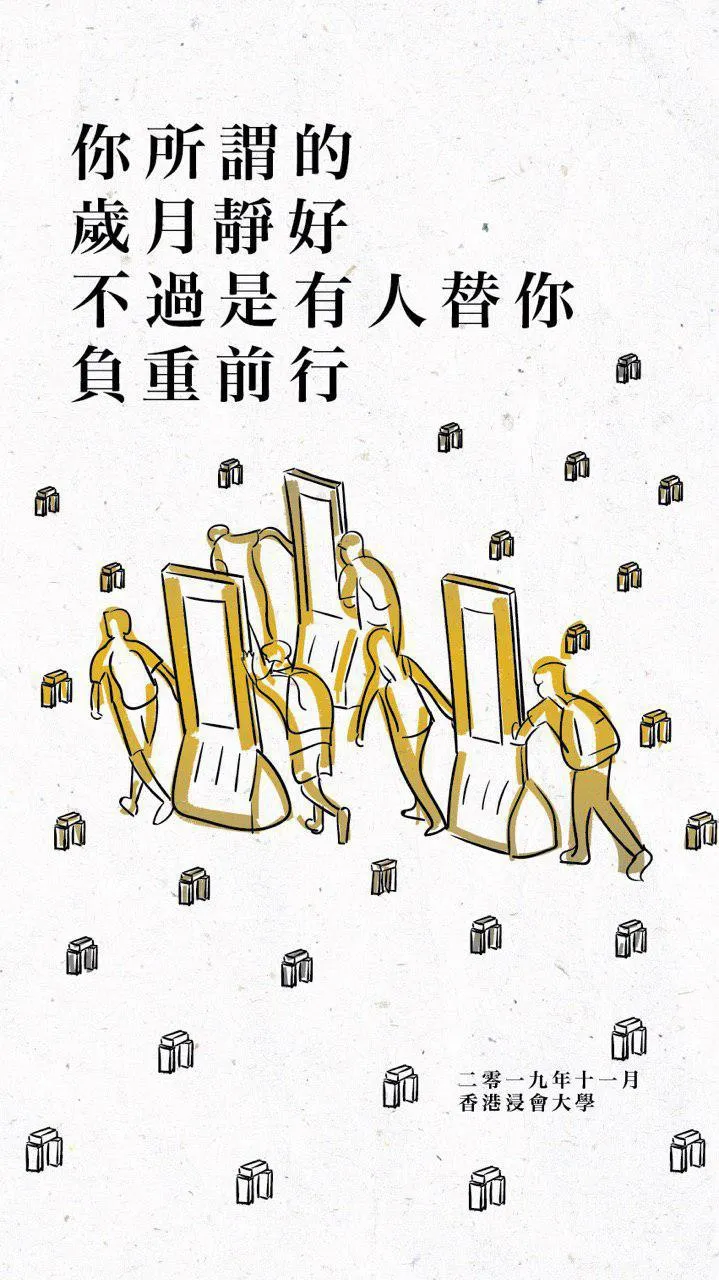
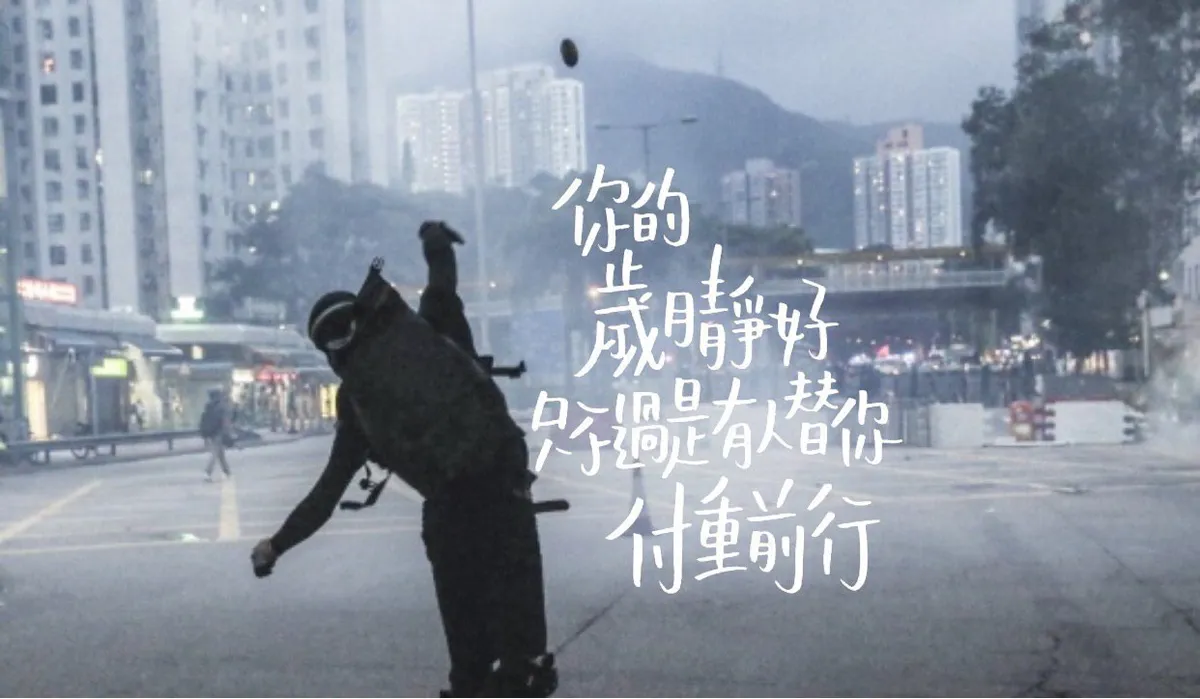
C: 你所謂的歲月靜好,不過是有人替你負重前行
E: "Your so-called days of peace and quiet - they were only achieved because others walked ahead for you."
Line became popular around the CUHK/ Poly U sieges, a painful reminder that freedom is not free. Something else going on here too. Throughout the protests, especially from August 2019 onwards, there's a sense from the younger generation of HKers that the older ones were not doing their part. In particular, calls for general strikes failed to spur any actual action. (I think that's being slightly unfair as more HKers got off their butts for industrial action that it would ever have been imagined possible in prior years, but also understand where the students etc were coming from.) So, this phrase is also a reflection of that.
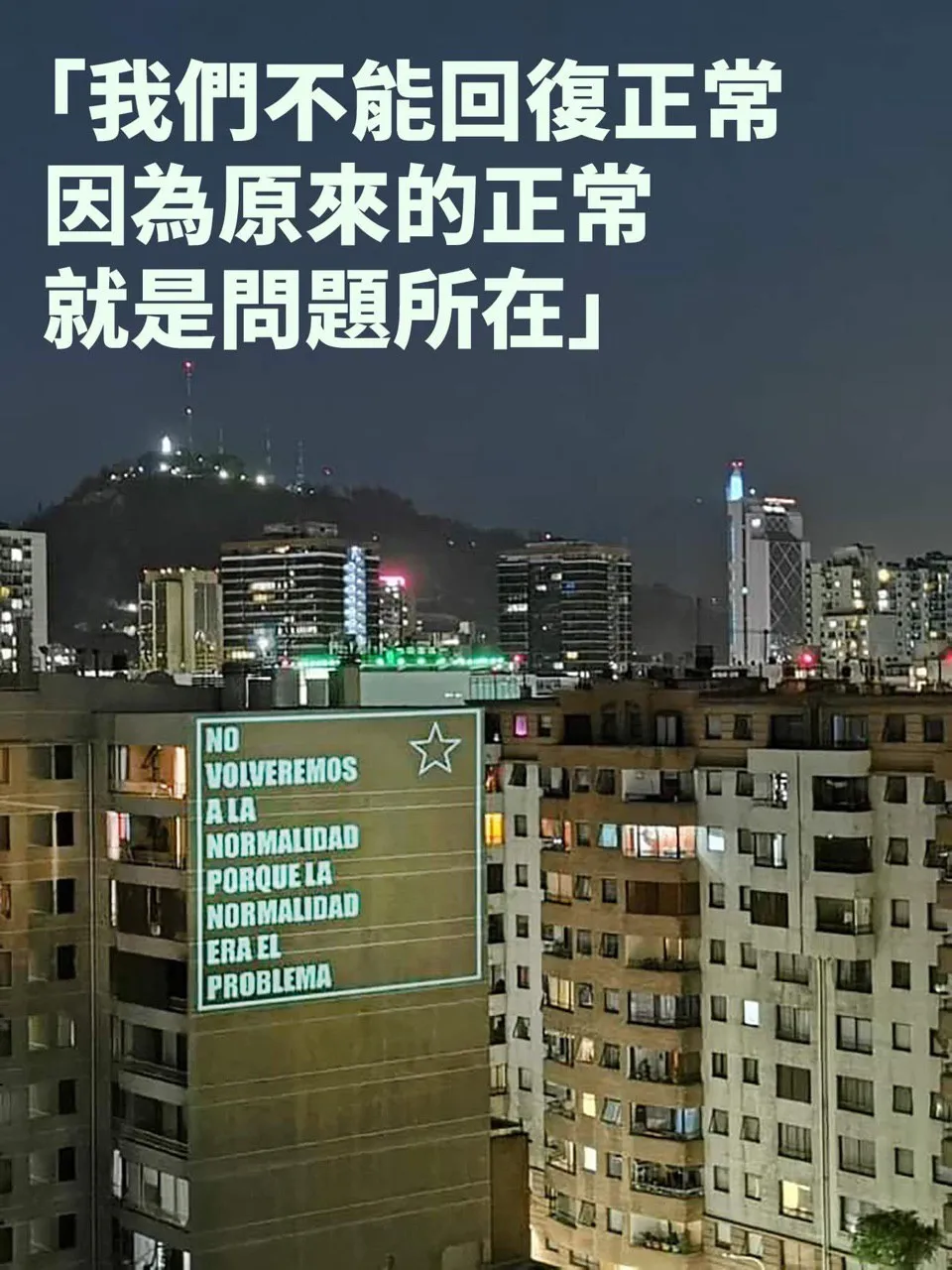
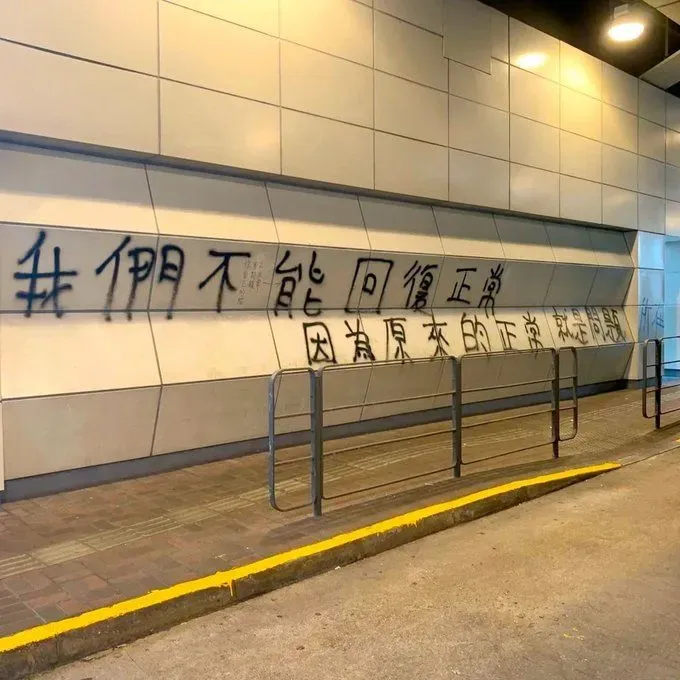
C: 我們不能回復正常, 因為原來的正常就是問題
ES: No volveremos a la normalidad porque la normalidad era el problema
E: We can't go back to normal, because the 'normal' that existed is the problem.
These words actually were not from the HK pro-democracy movement but originated in the 2019 protests in Chile. We were part of the same protest 'cohort' - you just naturally build solidarity with struggles around the globe which are going on at the same time, I don't know how to explain it - so we just adopt and adapt each others' slogans.
The slogan highlights a fundamental problem for HK. The old 'normal' of One Country, Two Systems was just not workable. Retaining democracy in the city while having authoritarian masters is full of contradictions. And for 20+ years, we all accepted it is the status quo, not wanting to think too hard about what the future holds. But the younger generations has to think about the future, they are the ones who have to live it. How can we pretend that slowly stripping human rights and basic freedoms from generations to come, from people who have been free, is normal?
The slogan also reflects a political awakening of sorts for HKers. It's not just One Country, Two Systems. It is the whole bloody system. The Chief Executive acts in the interests of Beijing and not HKers. The legislature is rigged so that pan-democracy parties are powerless. The police force can do what they will, never accountable. Conglomerates and capital side with Beijing. Education institutions cave to authoritarians without even pretending they oppose outside pressure. Even MTR, our damn transportation system, collude with the regime. This was our old normal. We just never looked too hard to notice it.
Since the pandemic, the slogan has become more relevant. It's inspired those in other countries, giving then the words to describe frustration at the state of the world. But so many years on, still seems like we're nowhere near normal, old or new...
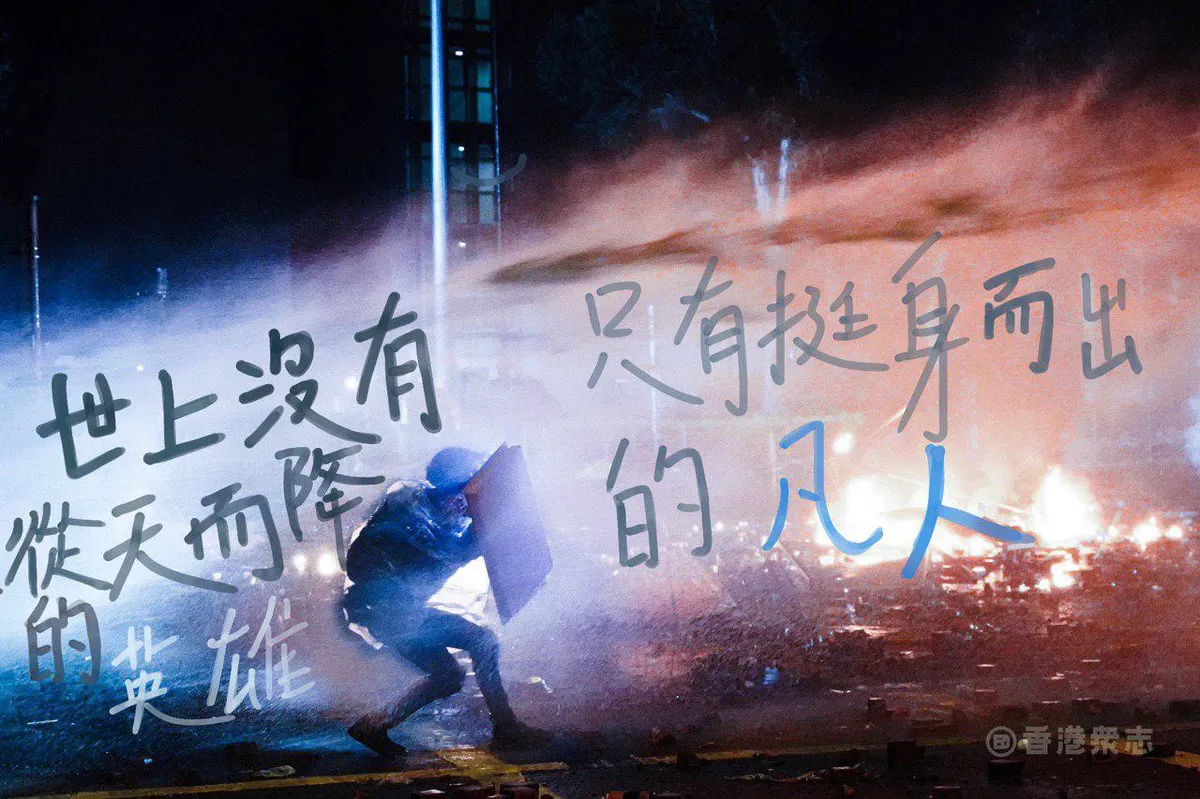
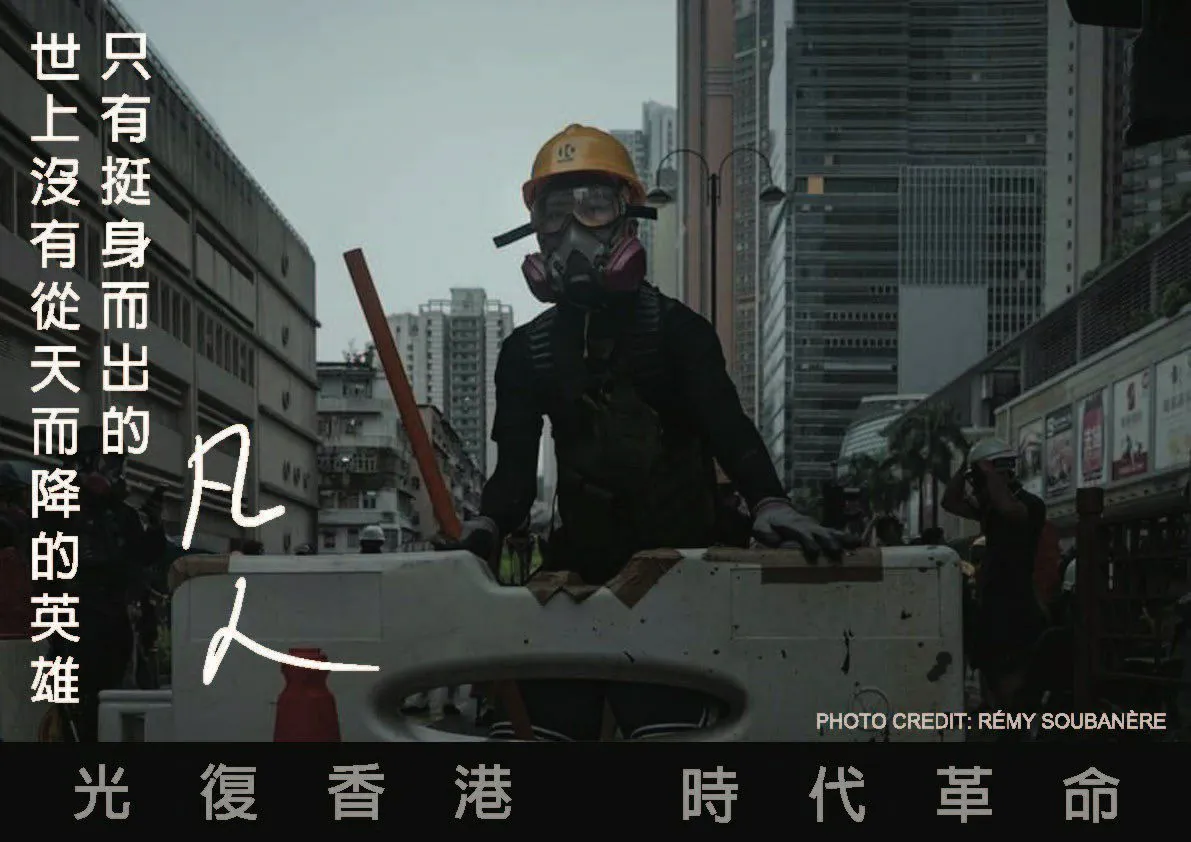
C: 世上沒有從天而降的英雄 只有挺身而出的凡人
E: In this world, there isn't such a thing as heroes who fall from the skies, just ordinary people who rise to the occasion.
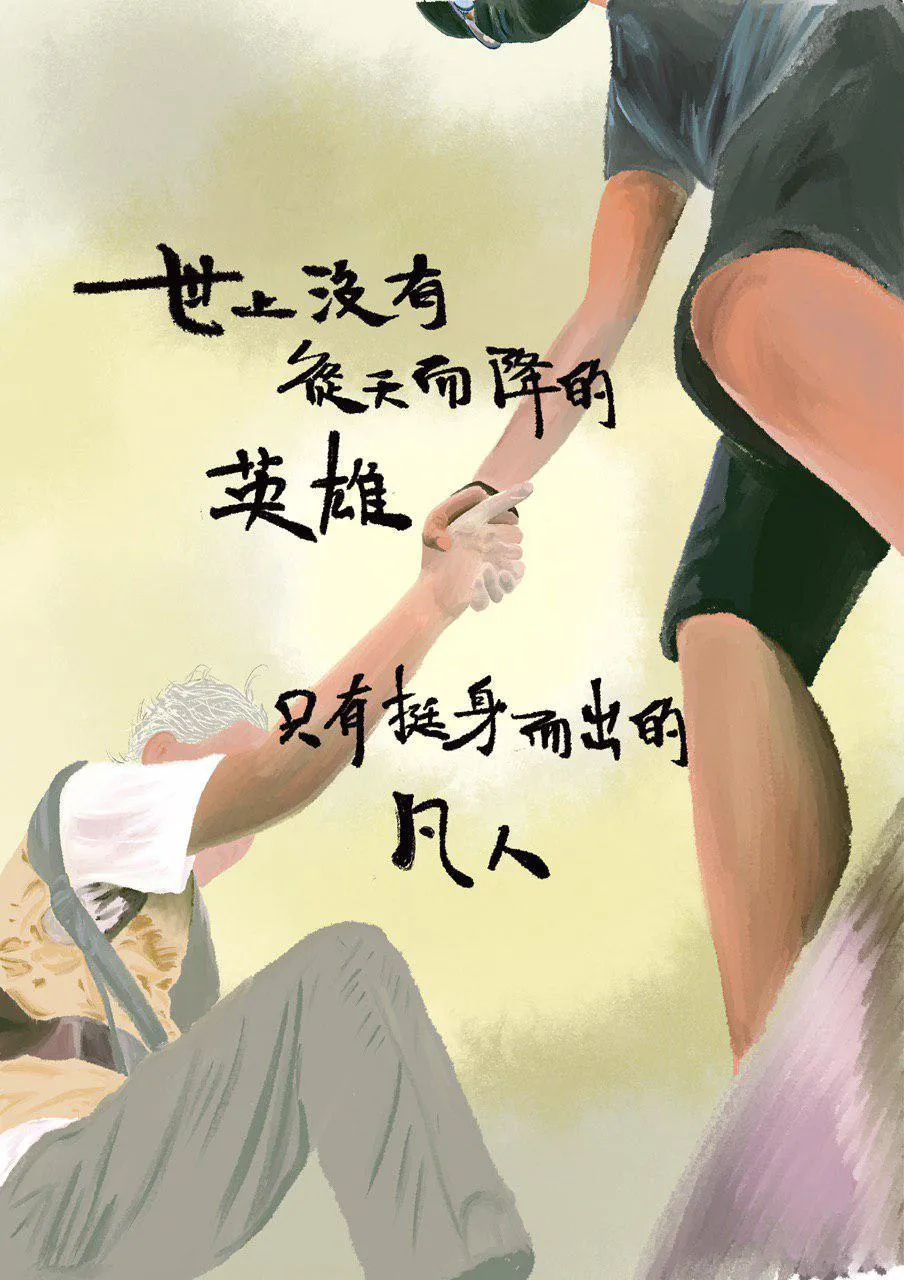
Source: Telegram, Jan 2020
One of the things that still makes me incredibly angry about 2019-2020 is that no HKer asked for this. All those pictures of millions of people marching on the streets. Videos of people resisting arrests just for a chance to protest. Photos of front liners fighting through fire and smoke. "They are incredibly brave" "Grace under pressure" "How do their find their courage" ... Well, no one wanted to be brave. Everyone was as scared as hell. All my friends were a step away from completely breaking.
No one was trying to be a hero. We were not made for these times. No one should ever be made for these times. HKers are people who really just want to get on with their lives like normal, although, yes, what is normal anyway. But do you know how hard it is to ask an ordinary people to be extraordinary? Do you know how hard it is for an ordinary people to decide to become extraordinary?
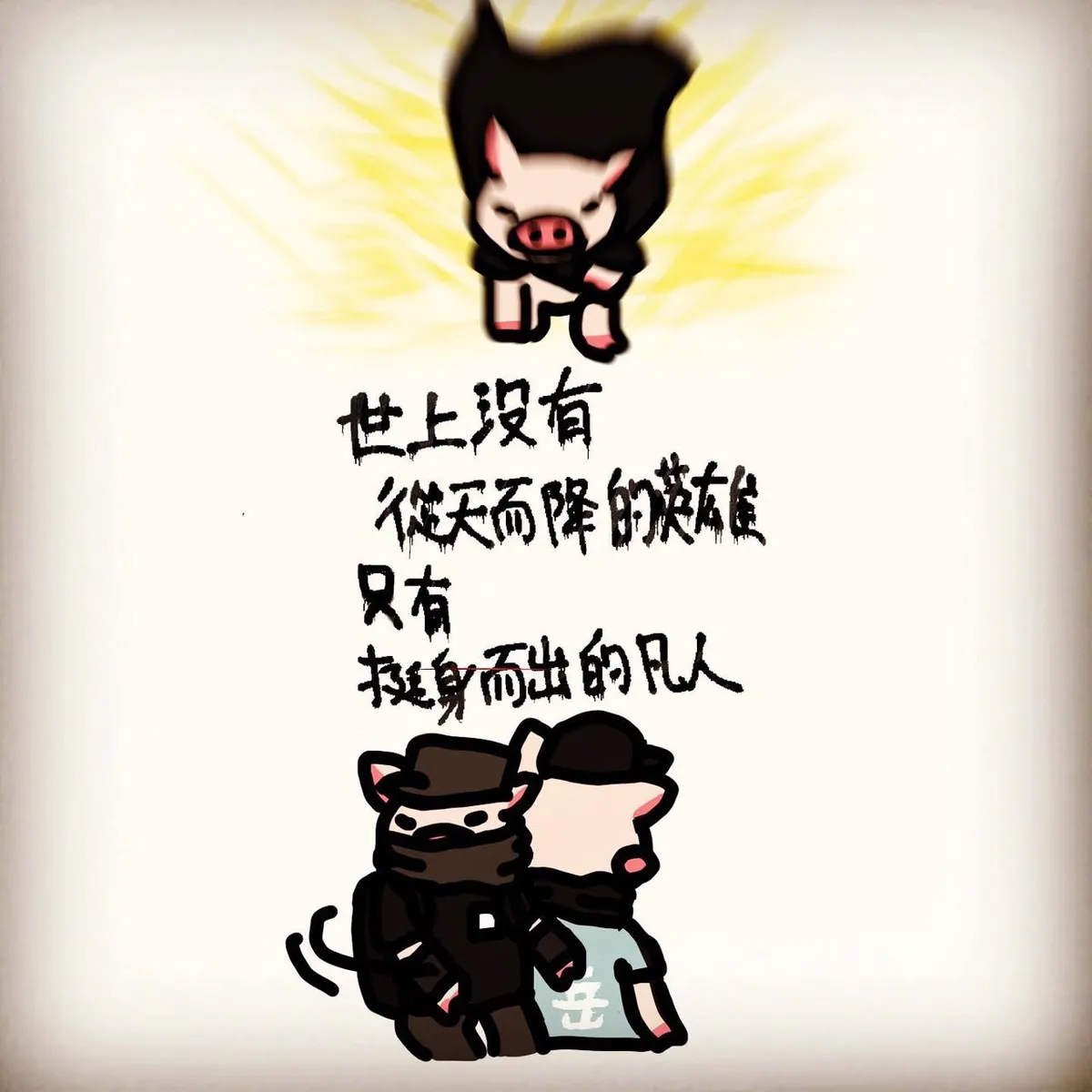
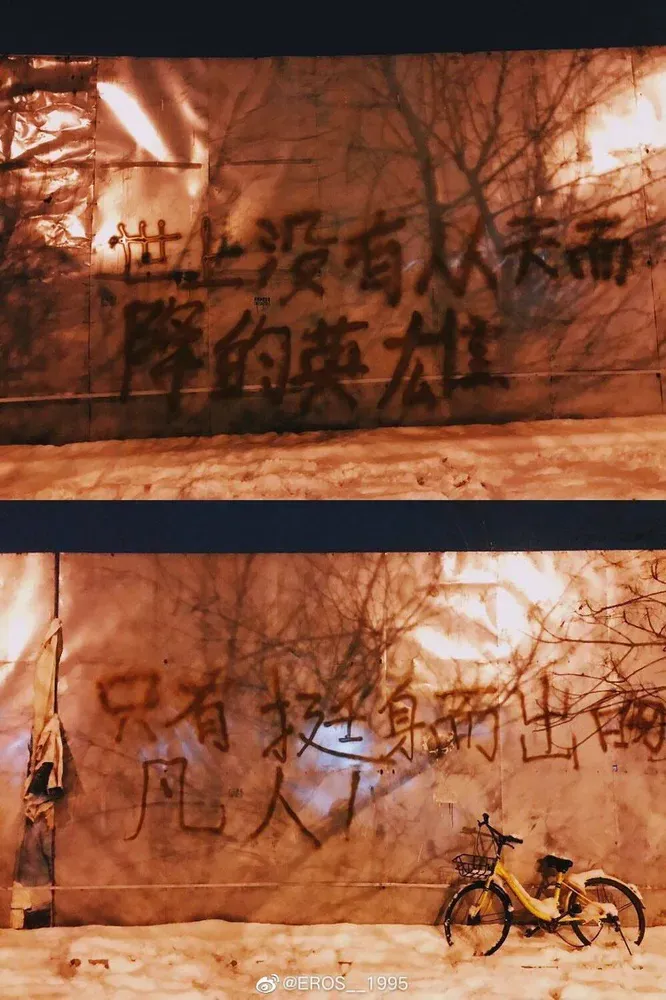
In the most fucked up twist of fate, these words have since been appropriated by CCP to describe their COVID efforts. Dr Li Wenliang, considered one of the first COVID whistleblowers, died from the disease on 7 Feb 2020. The day after, the piece of graffiti below was spotted in Wuhan, and spread on Weibo.
How did a HK pro-democracy slogan end up in Wuhan? What was going through the mind of the person who sprayed it on the wall? What exactly were they trying to say?
This was a protest. Against a government which failed to act, which covered up what was becoming painfully obvious - there's an unknown disease ripping through Wuhan. And medical personnel, who should never have been put into such a risk, were going to be sacrificed.
By 2022, the CCP had made 世上沒有從天而降的英雄... its own. Xi even read the slogan himself. Instead of the words being a clear rebuke of Beijing, Beijing now officially interprets them as being about health workers' sacrifice. Sure. Why not.
See my thread on Blue Sky on Dr Li Wenliang's death
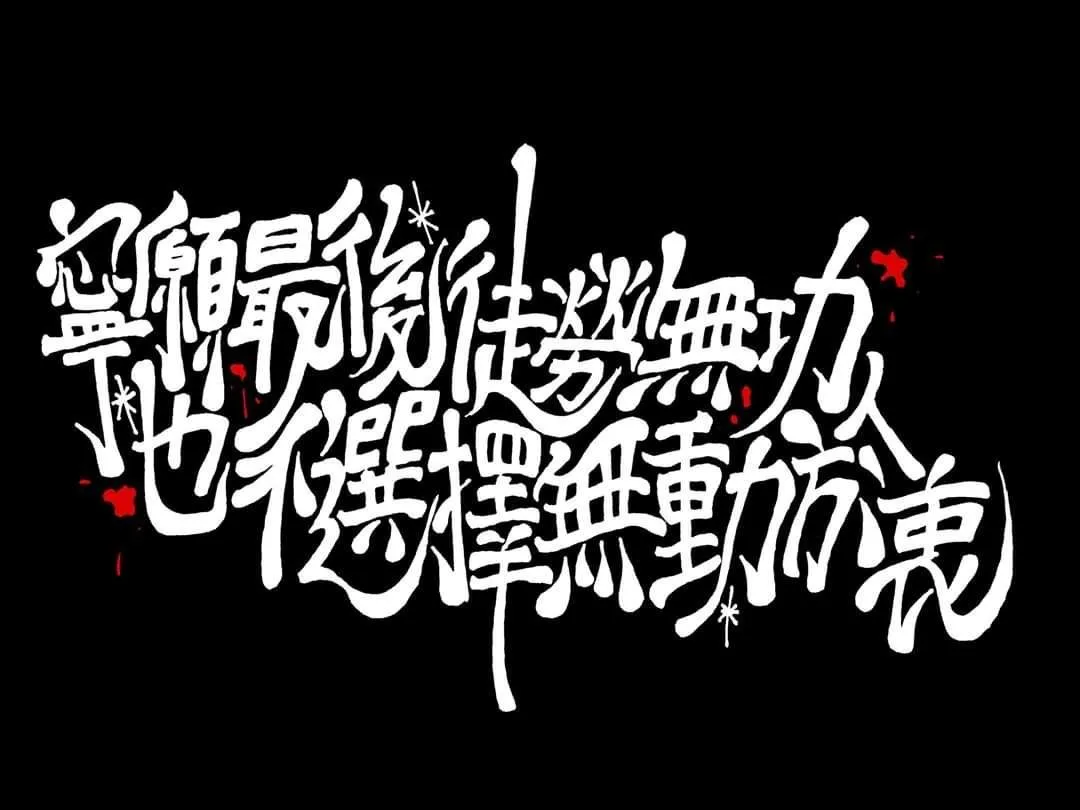
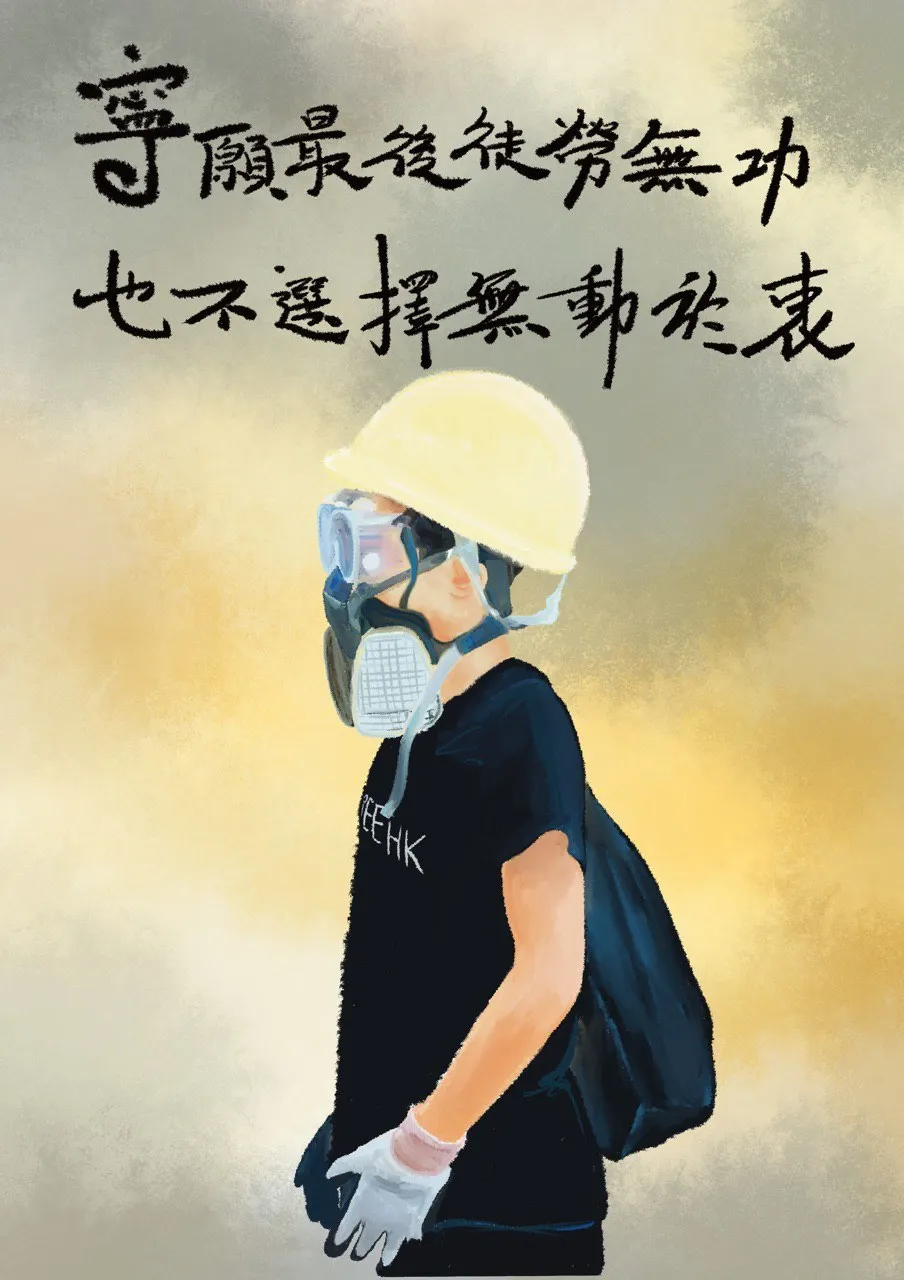
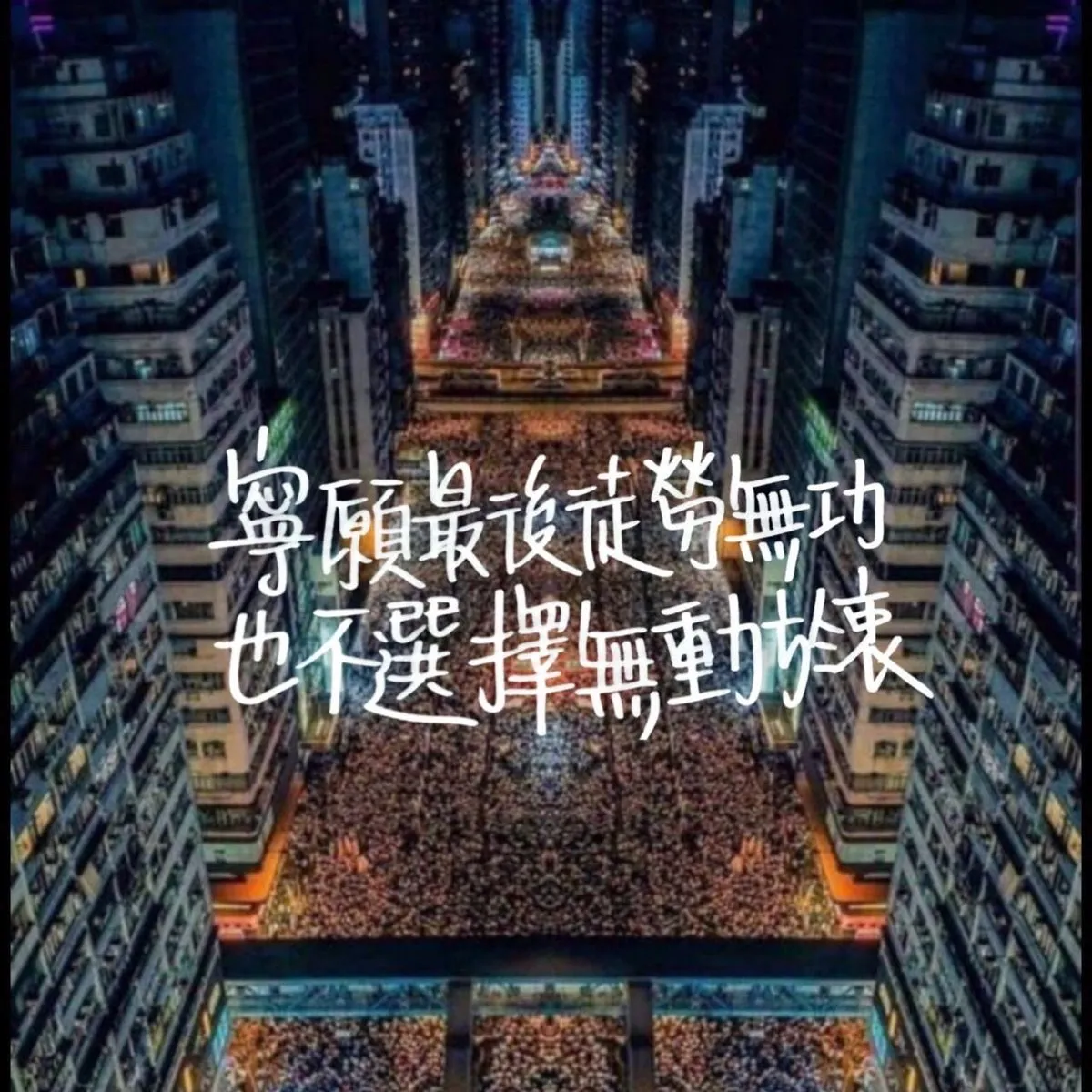
C: 寧願最後徒勞無功 也不選擇無動於衷
E: I'd rather give it all in vain than to sit it out in indifference
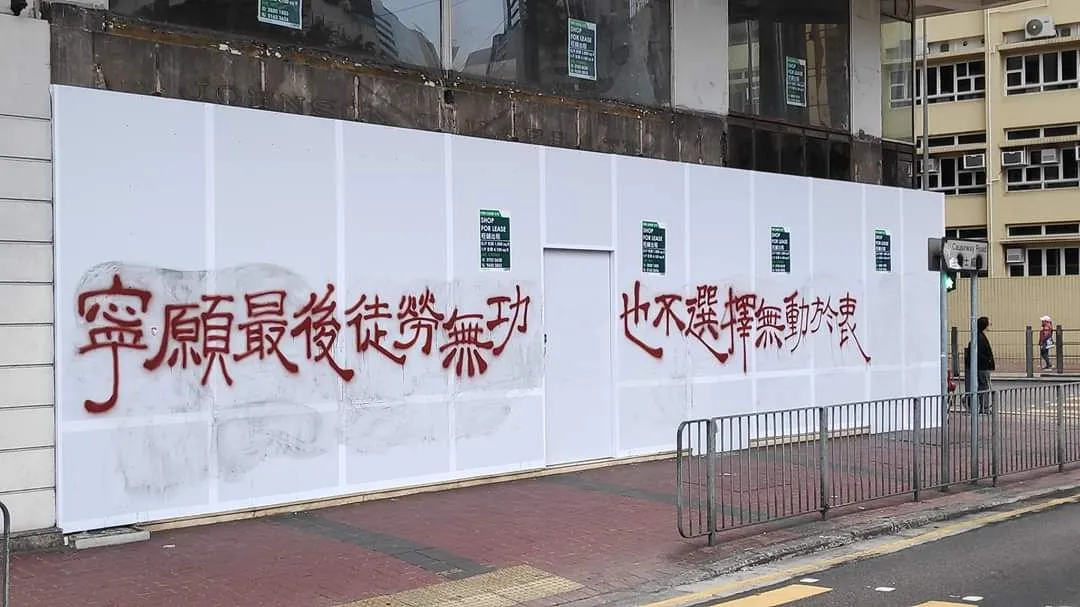
x Source: Telegram, Jan 2020
C: 和你抗爭 我很愉快
E: It makes me very happy to be able to fight alongside with you.
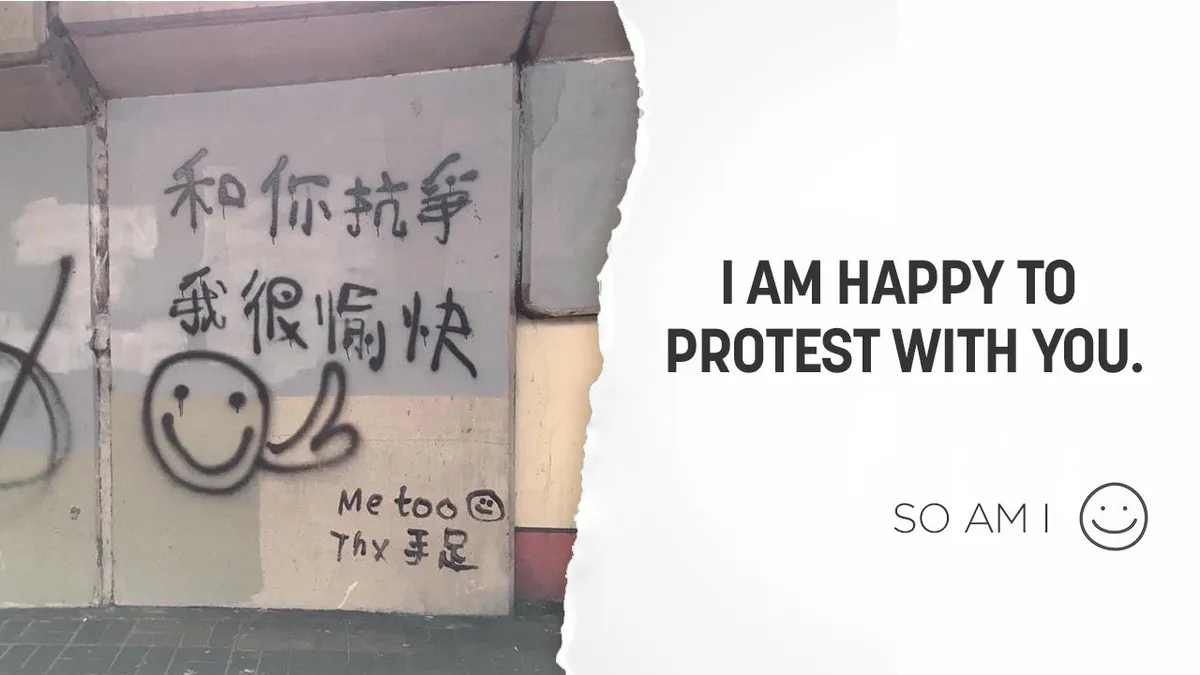
Source: Telegram, Jan 2020
One of the sweetest HK protest graffiti and words, capturing how we all feel - the battle is tough, but we're glad we're in this together.
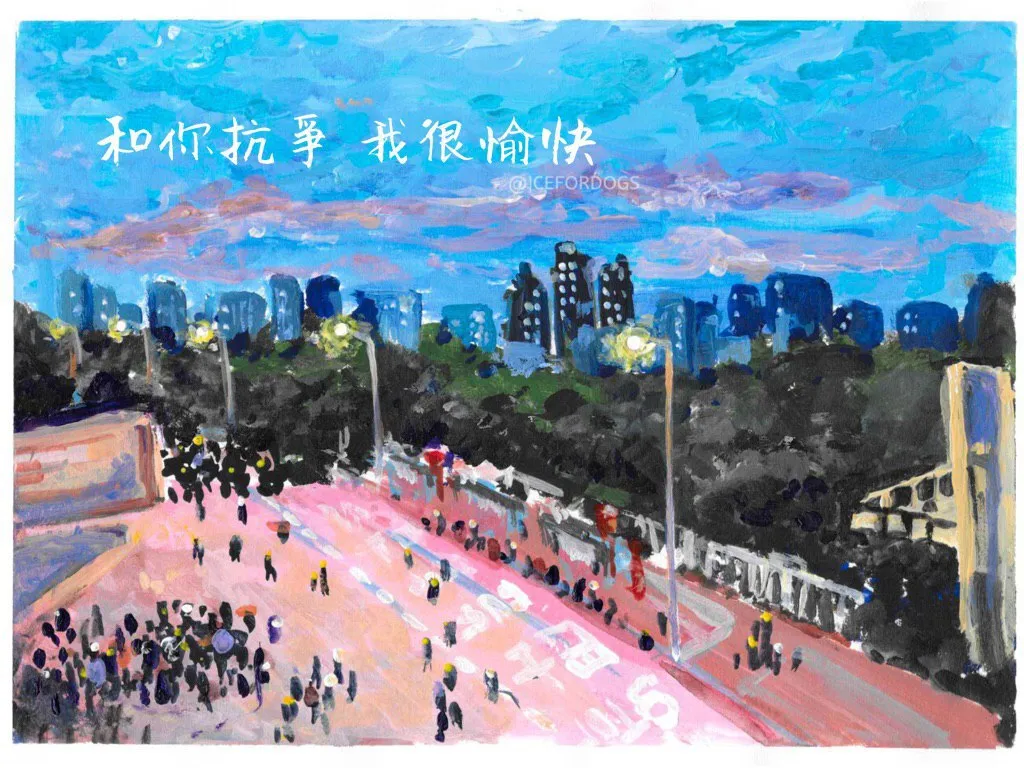
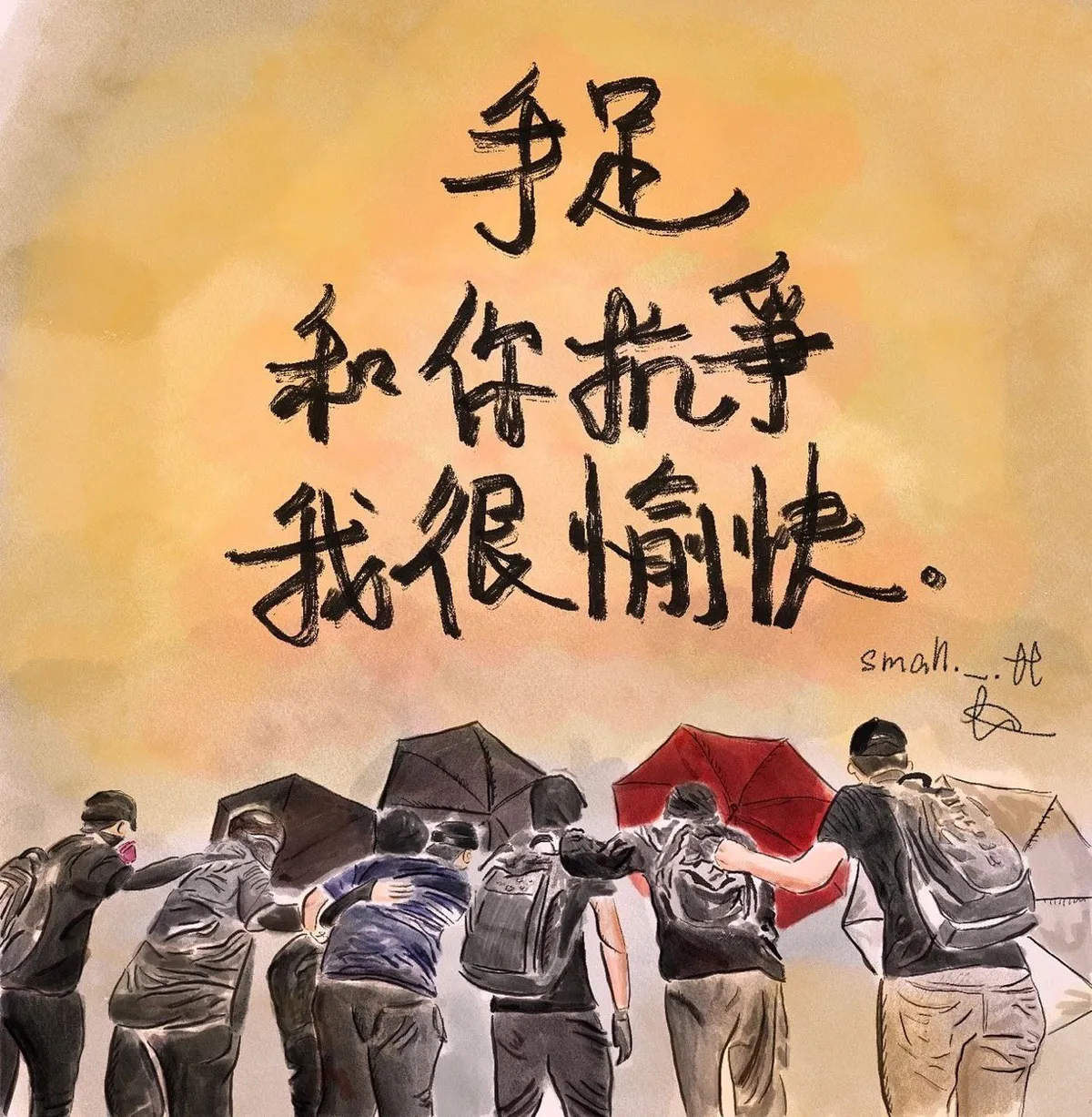
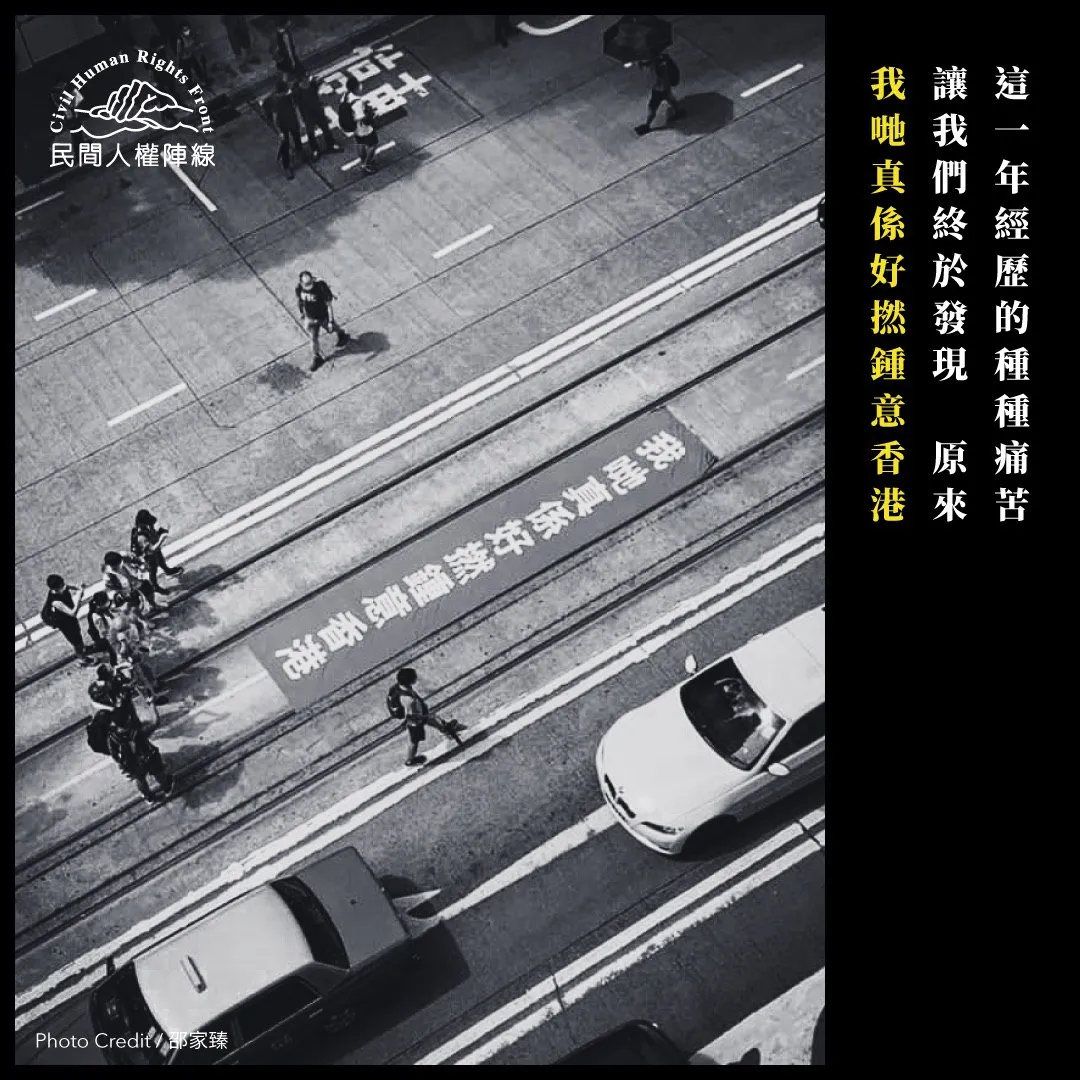
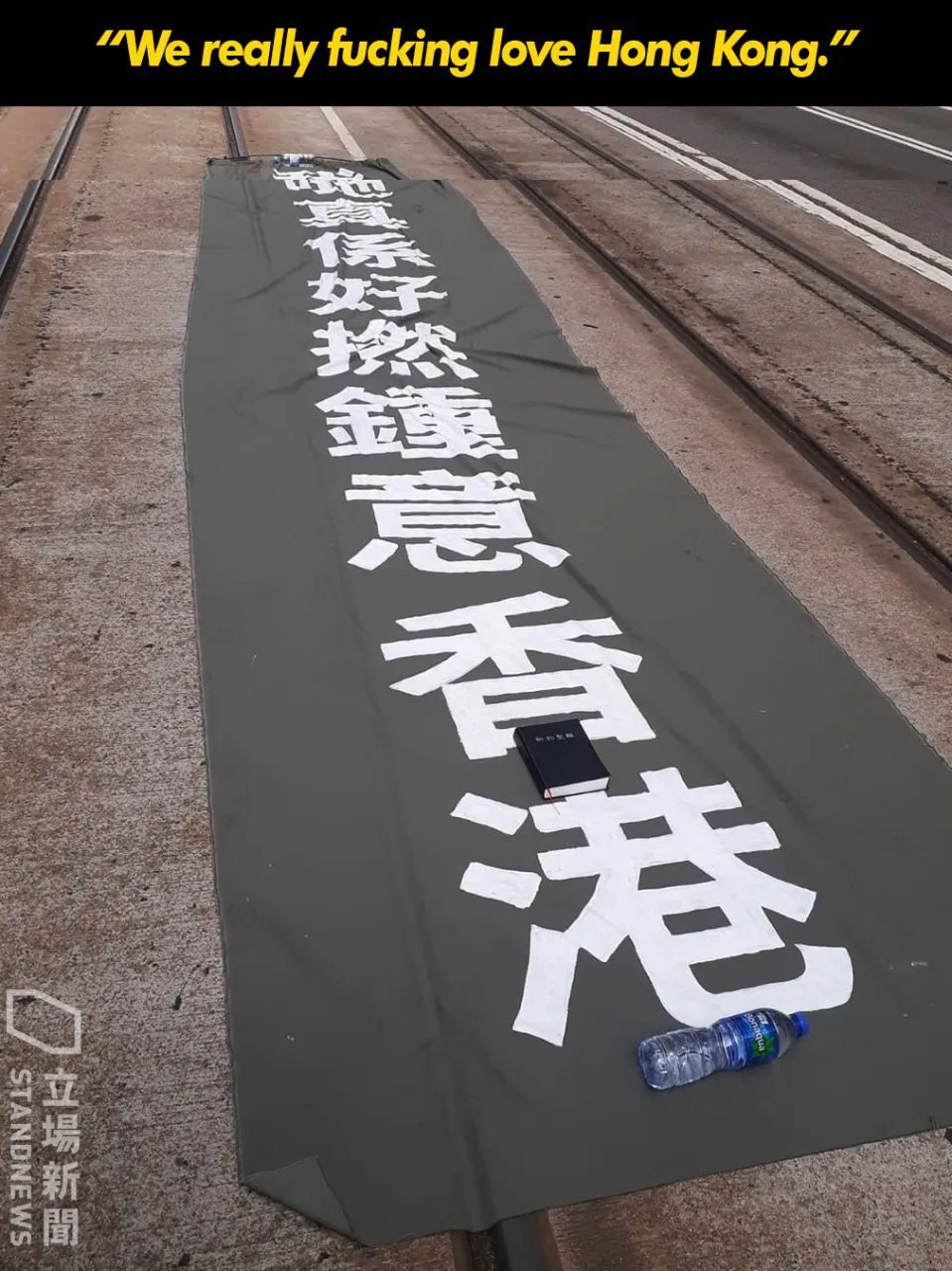
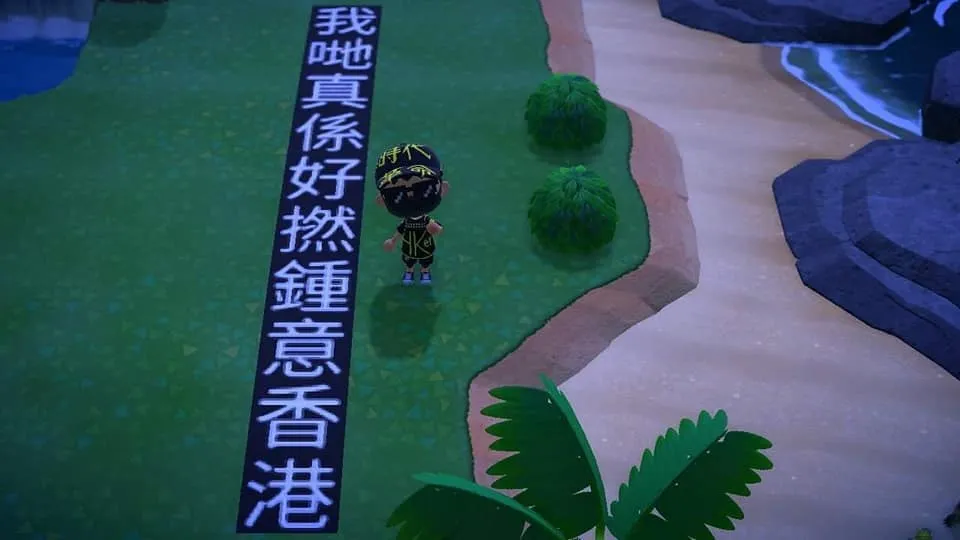
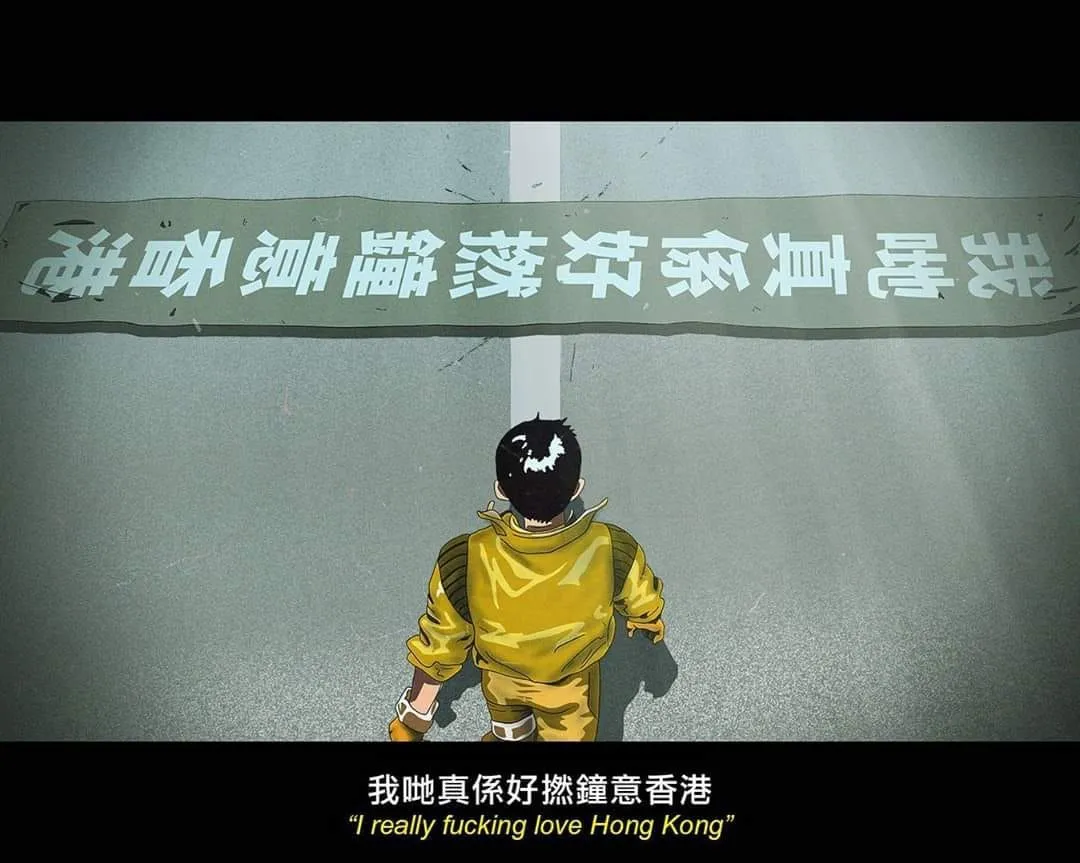
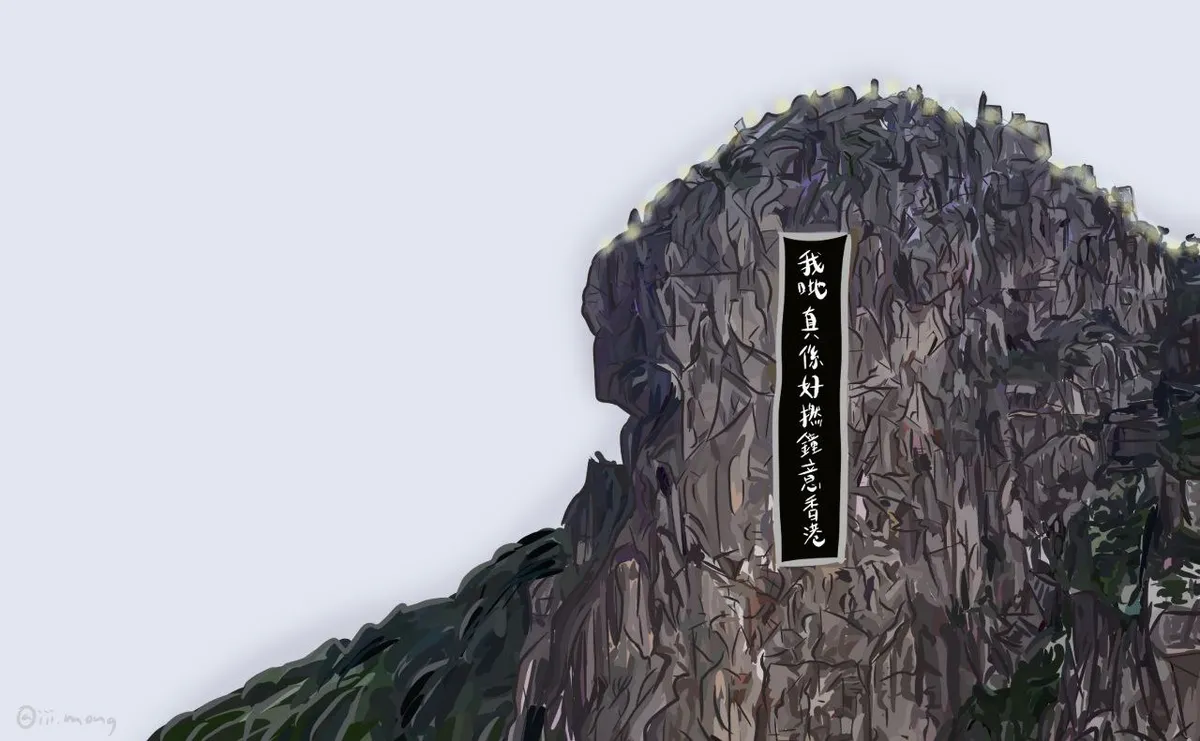
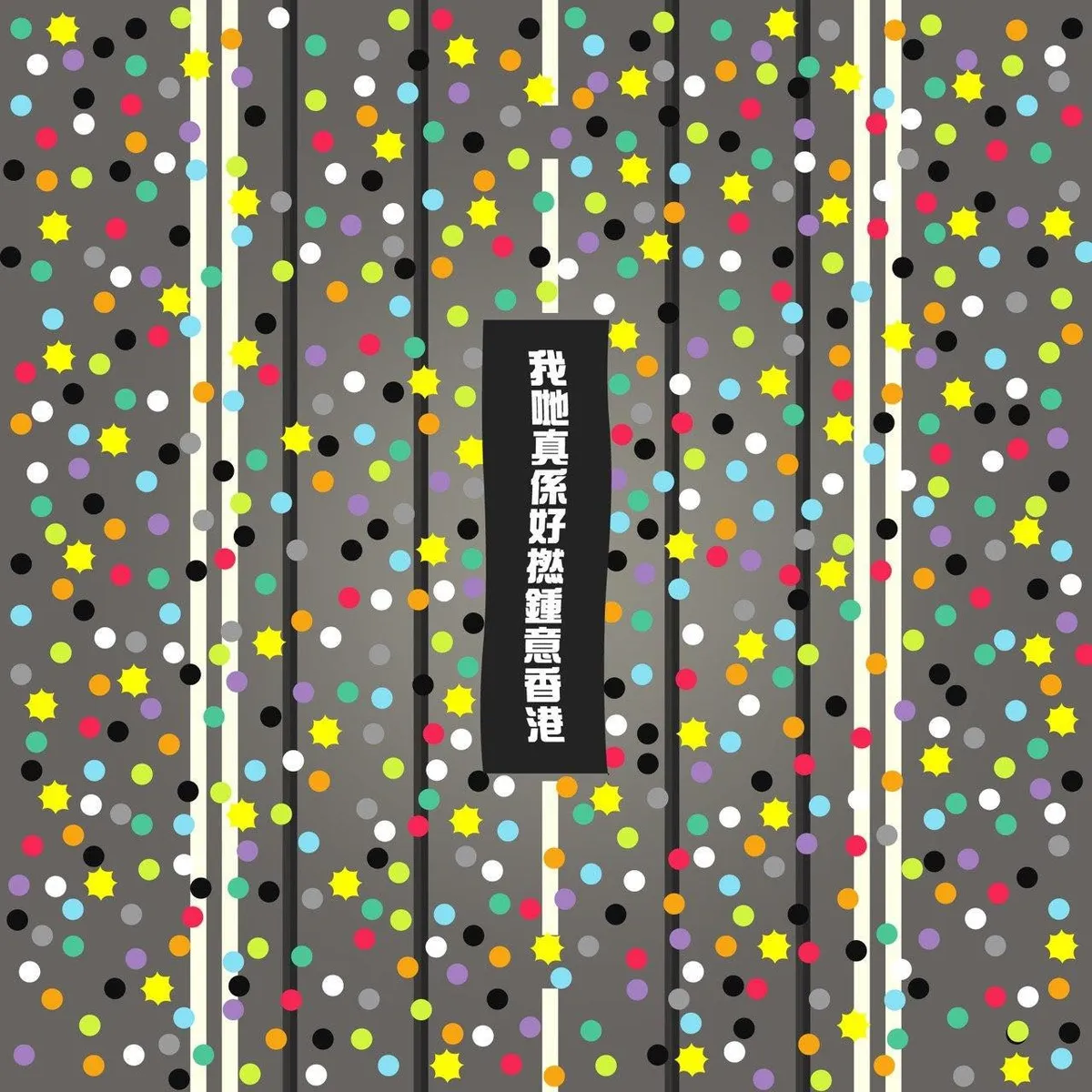
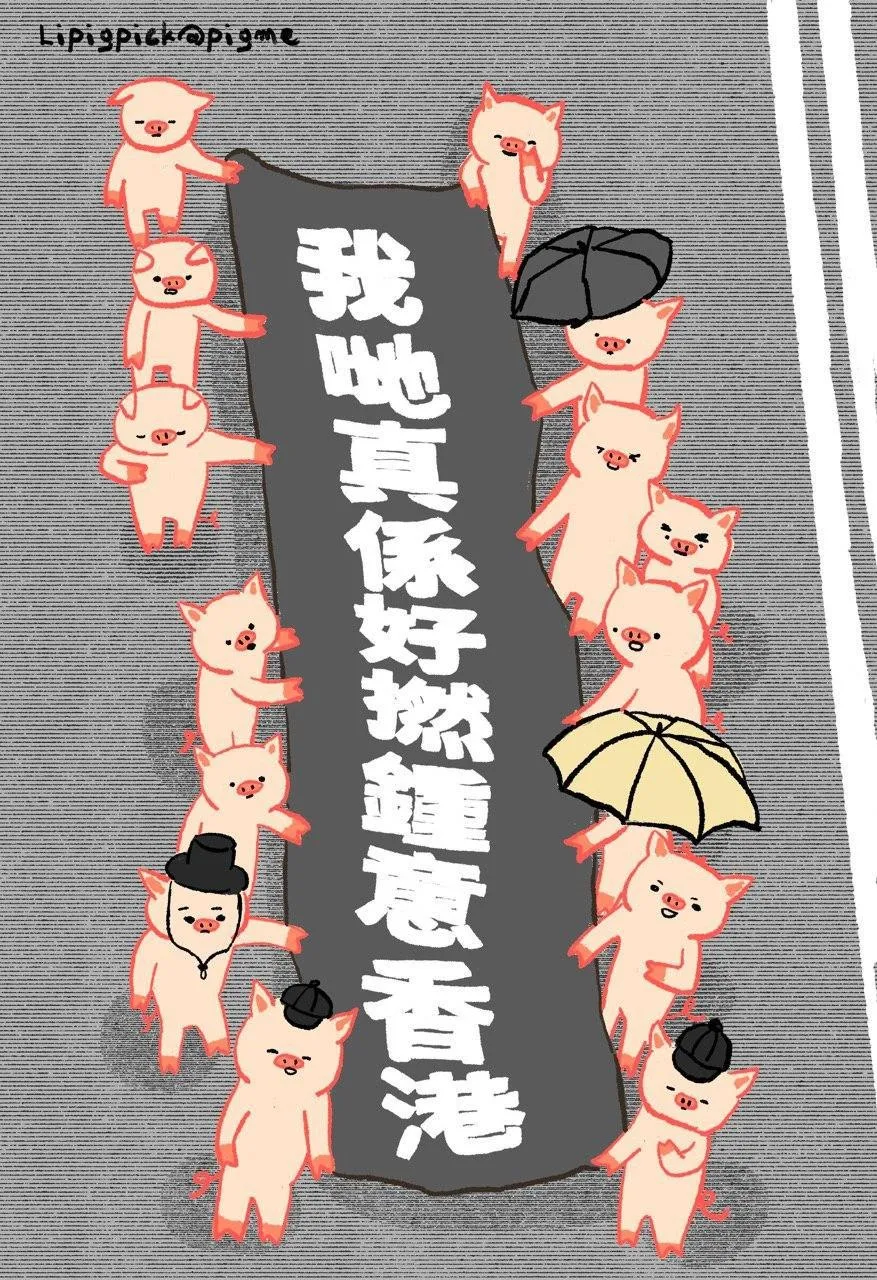
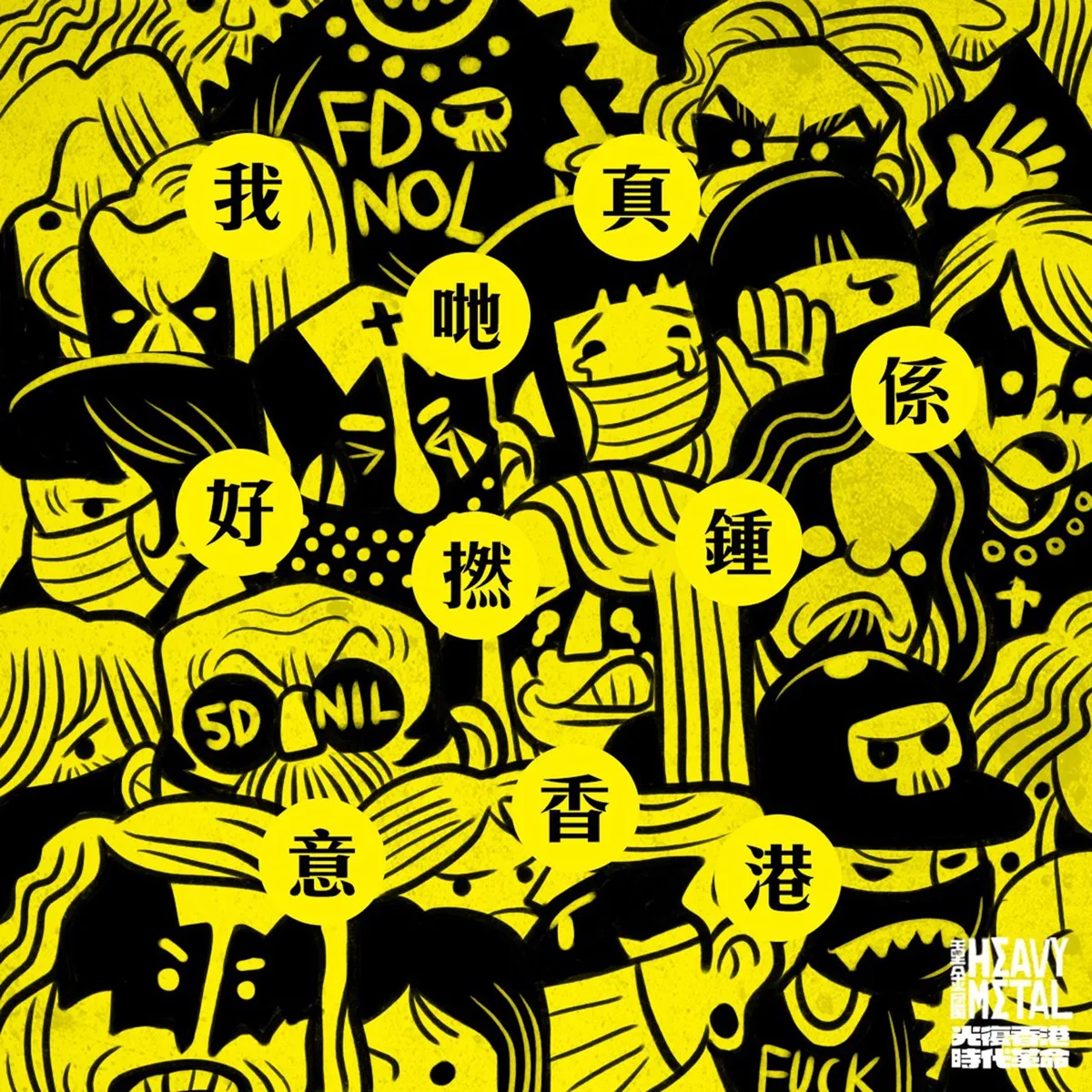
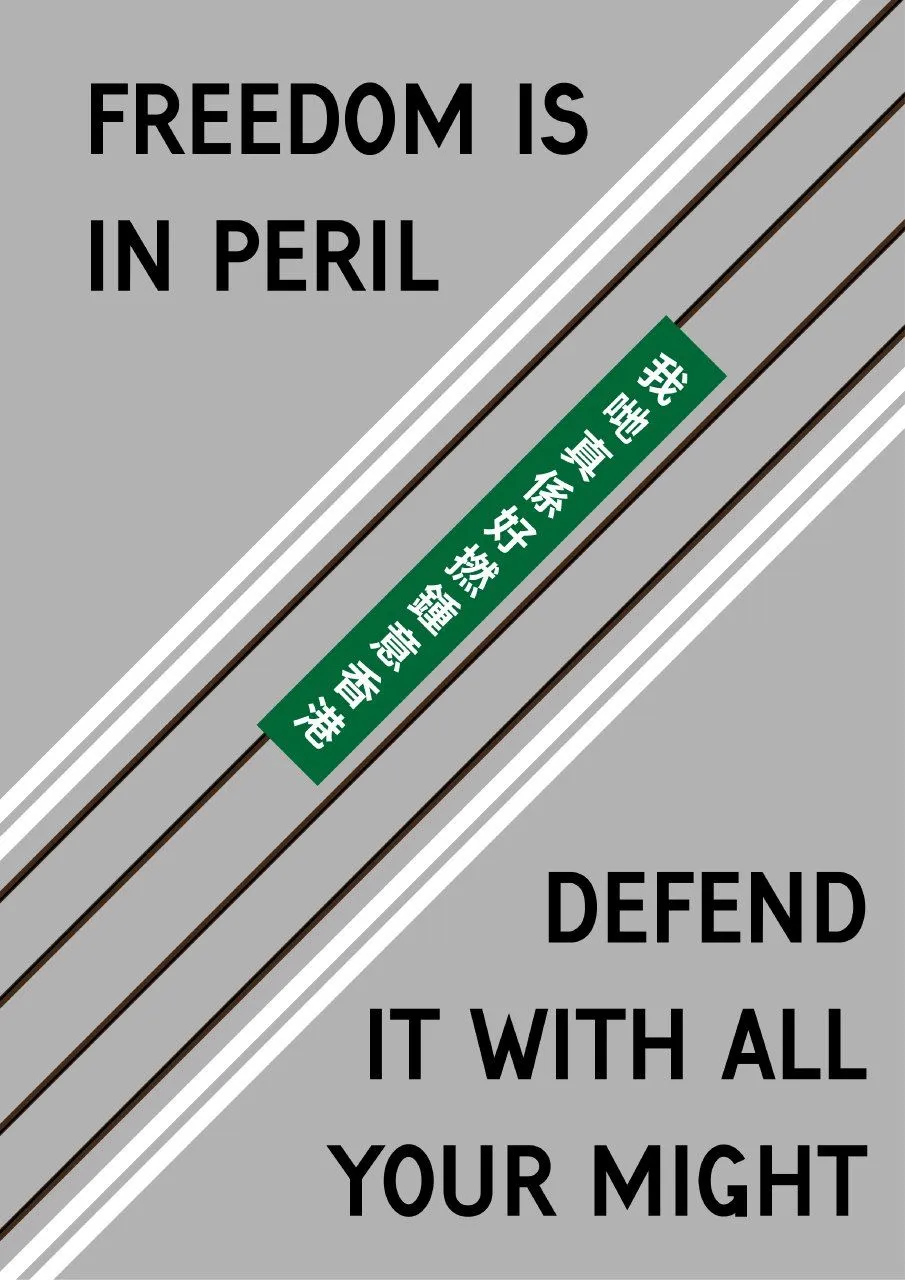
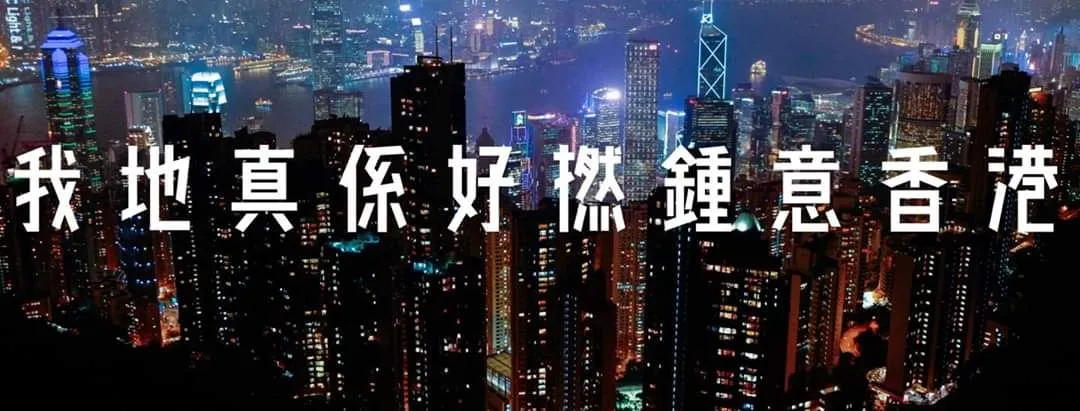
C: 我哋真係好撚鐘意香港
E: We really fucking love Hong Kong.
Slogan was born the day NSL came into force - words which explains, as if it needs explaining, why HKers did what they did, why we have resisted for so long: it's all for love of our home.
Maybe the words sound cringe. But HKers all understood July 1 2020 was likely going to be the last day they could freely protest in the city. It was our last cry, in so many ways.
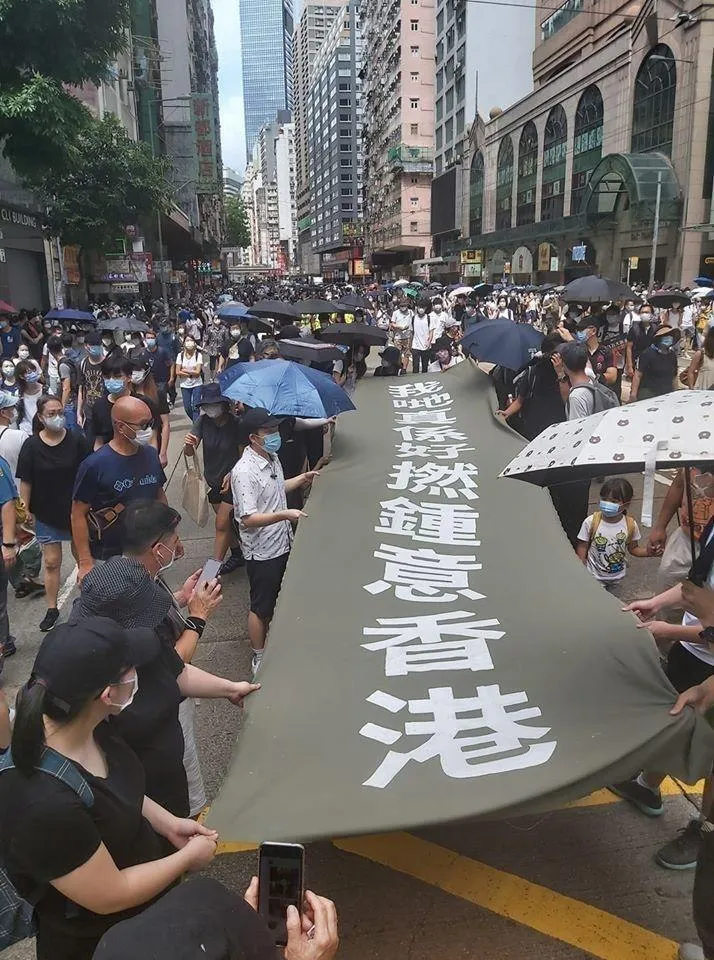
Source: Telegram, Jul 2020
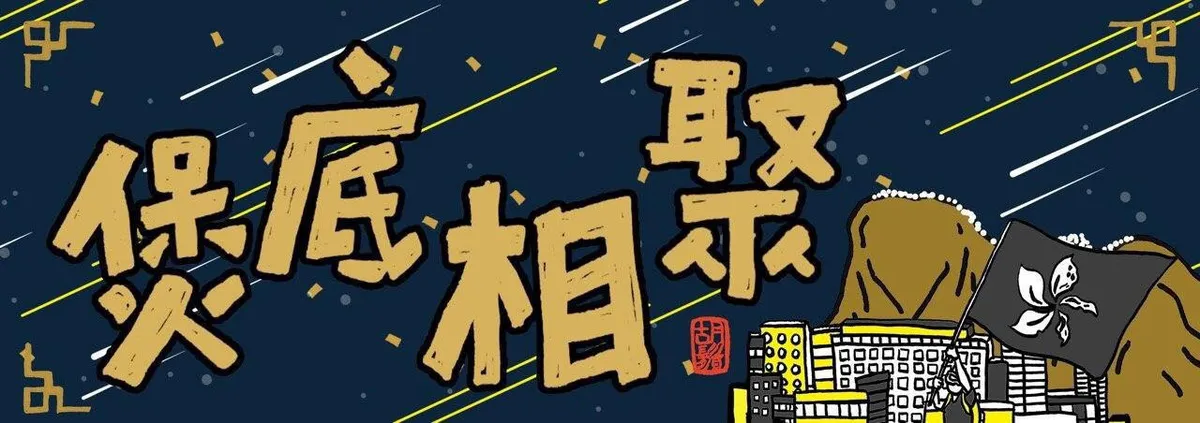
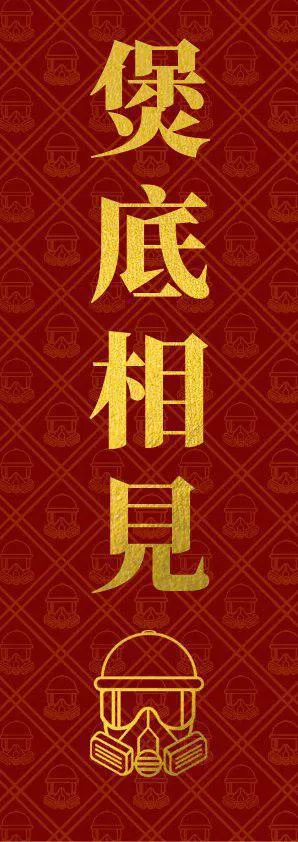
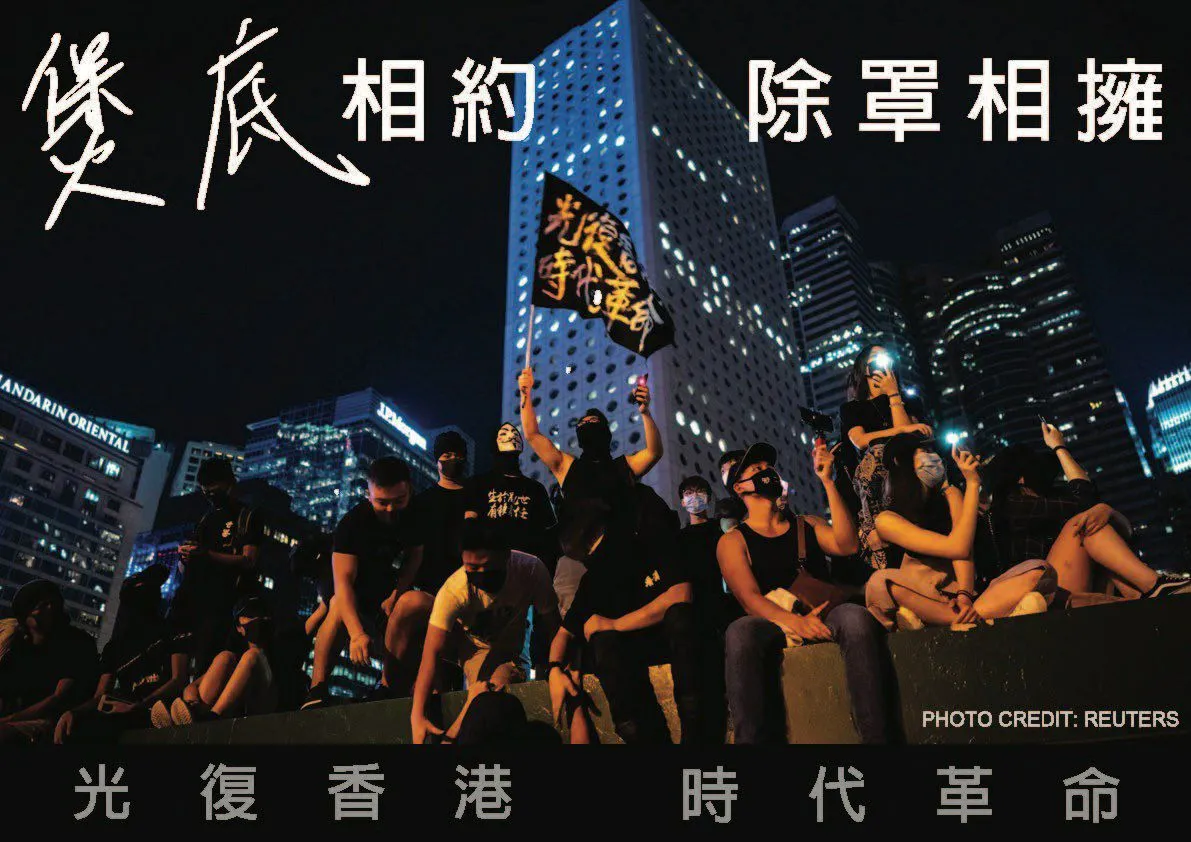
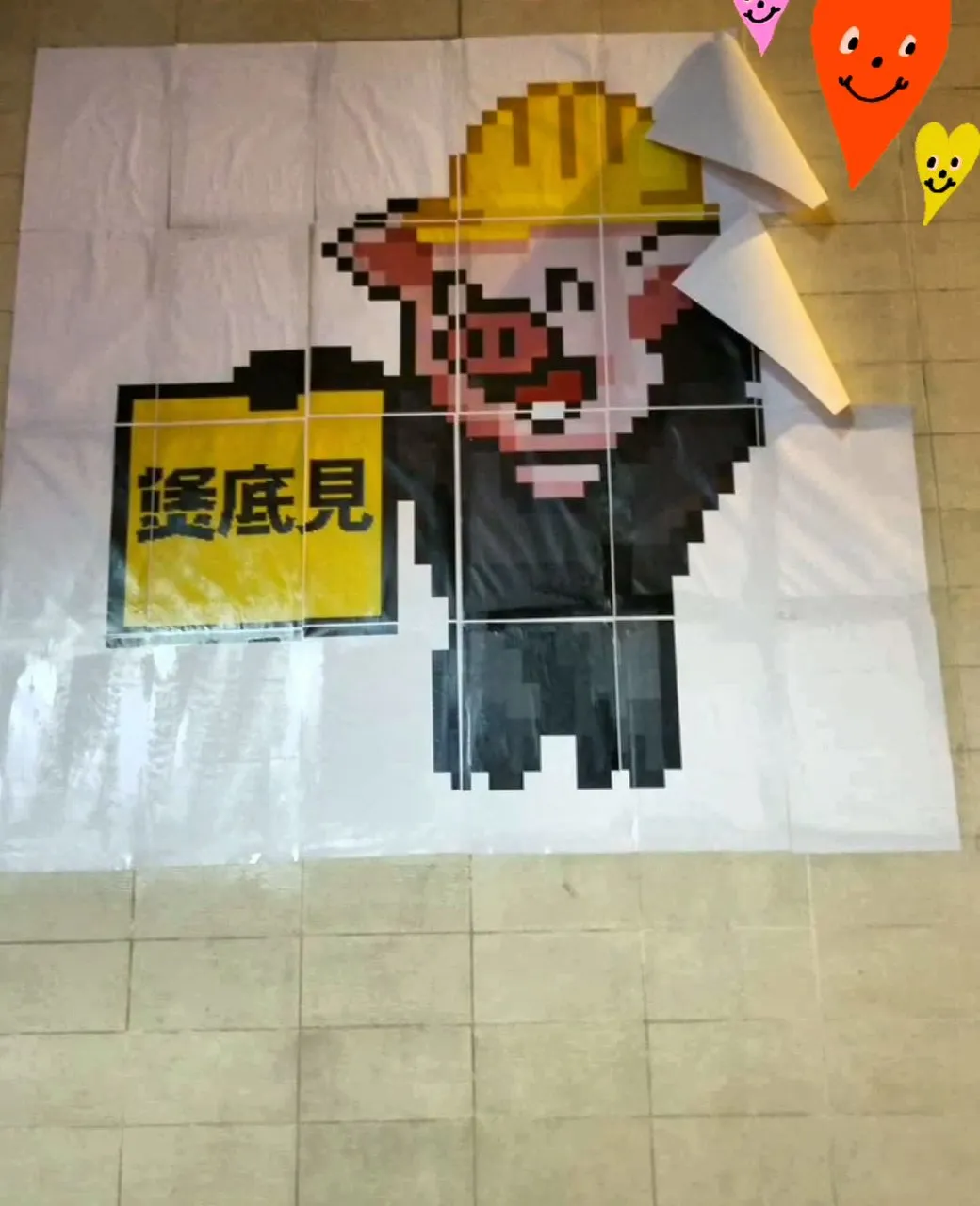
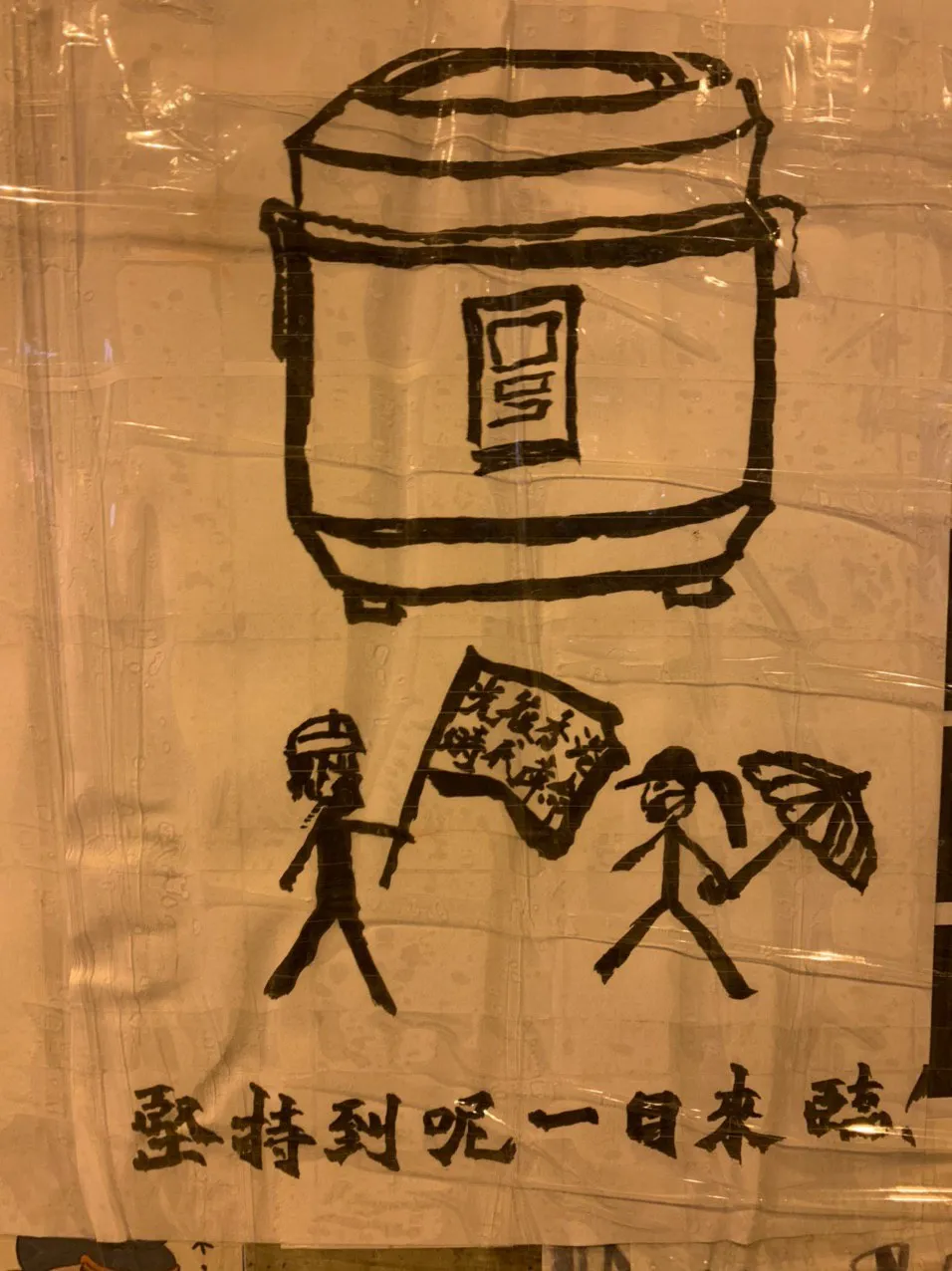
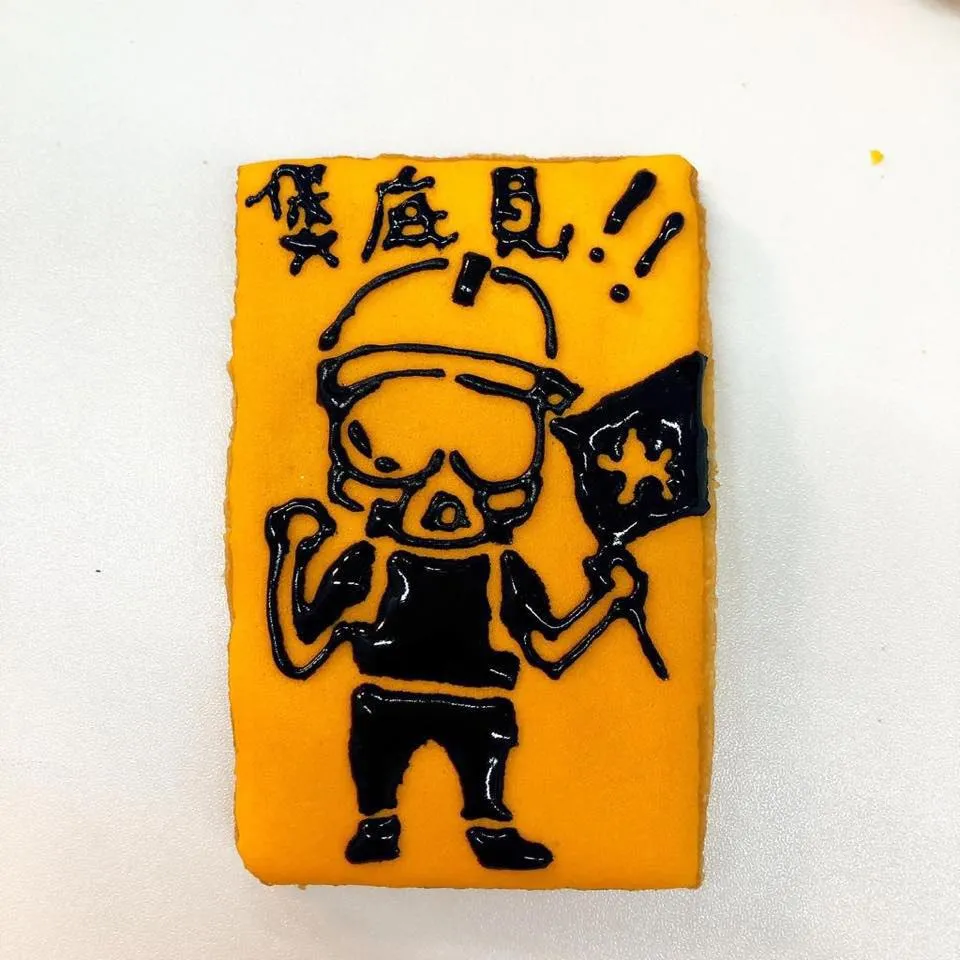
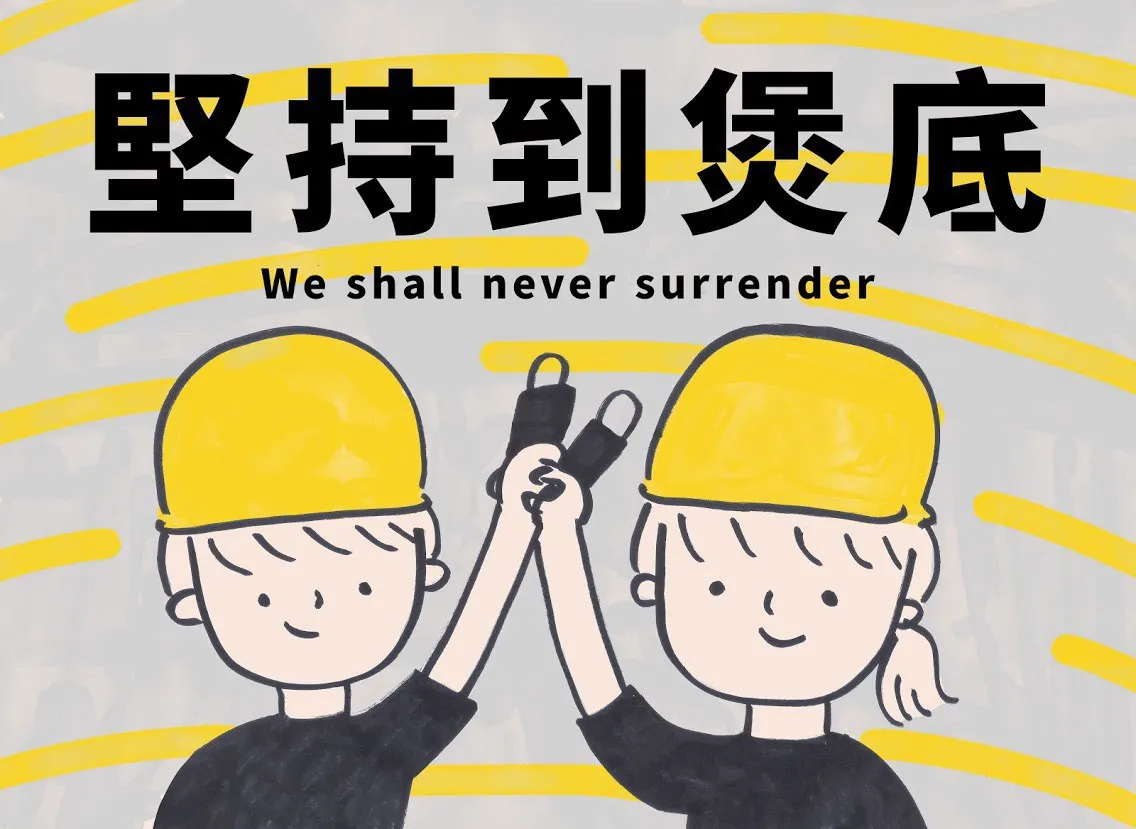
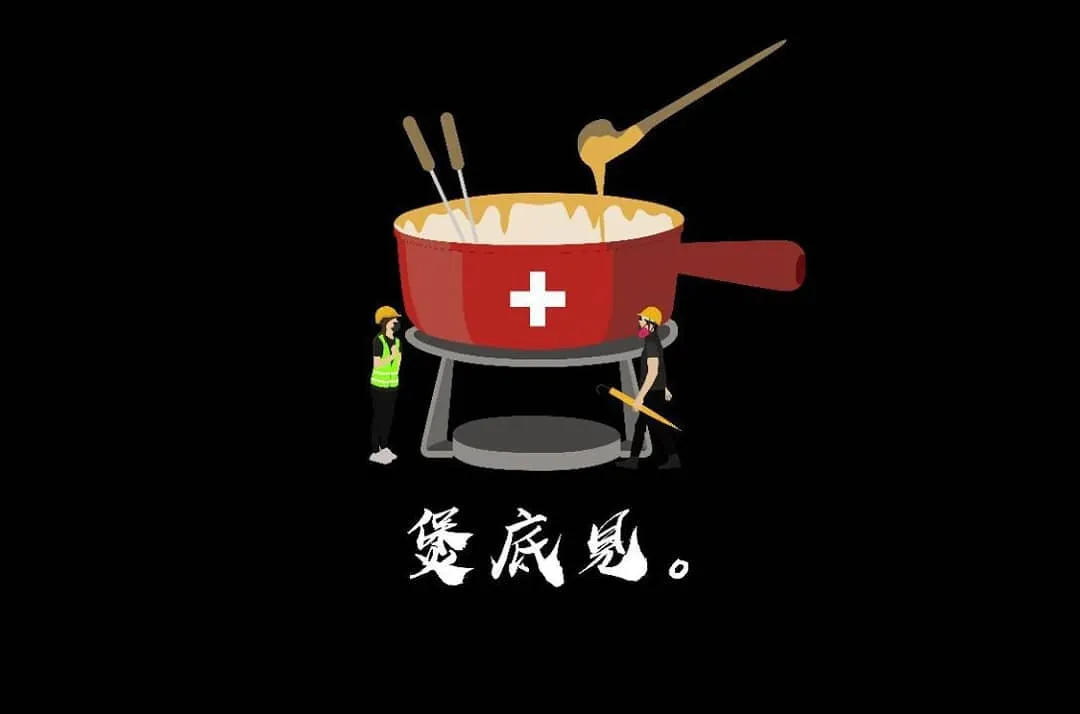
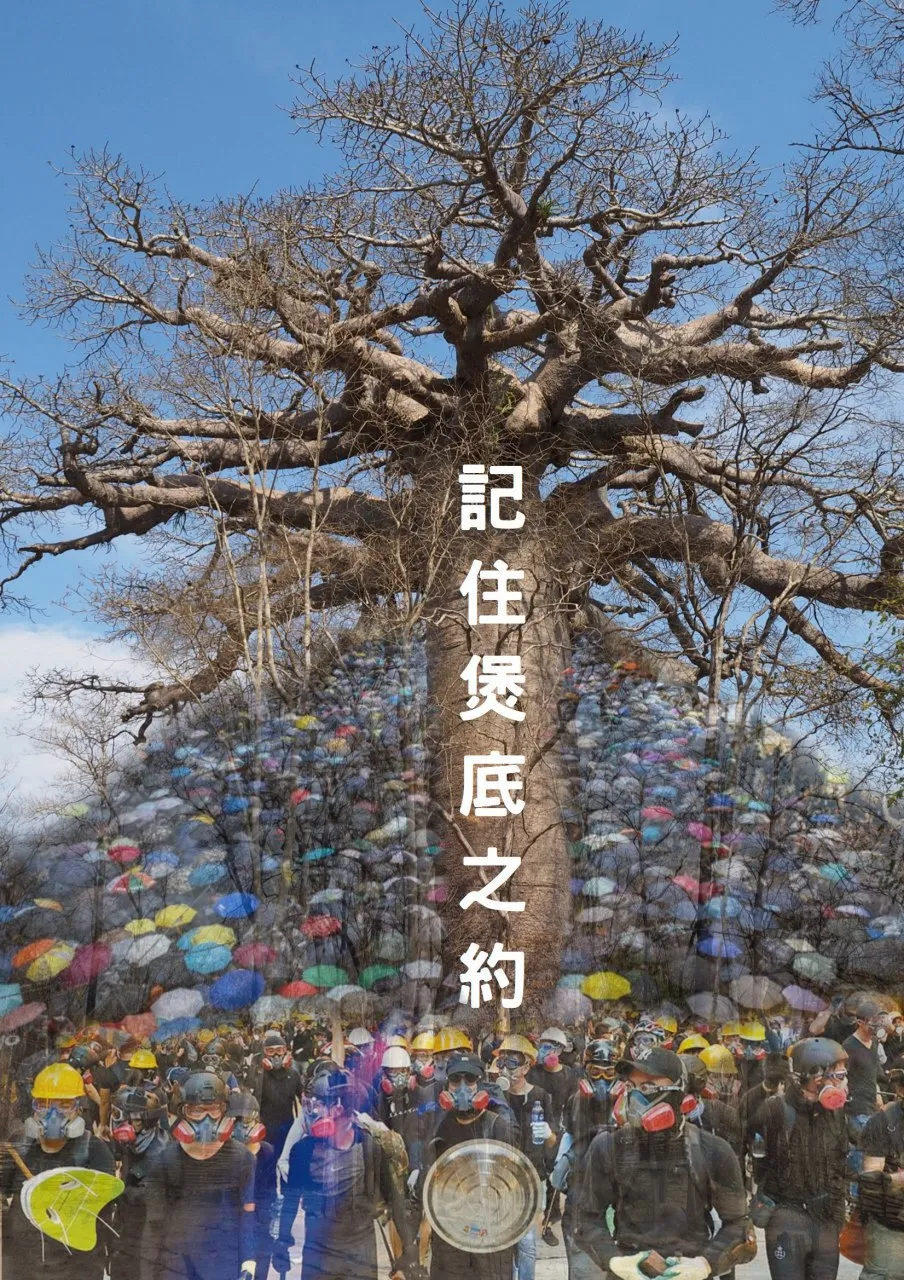
C: 相約煲底 除罩相認/煲底見 (or some variation)
E: We'll meet under the pot-bottom
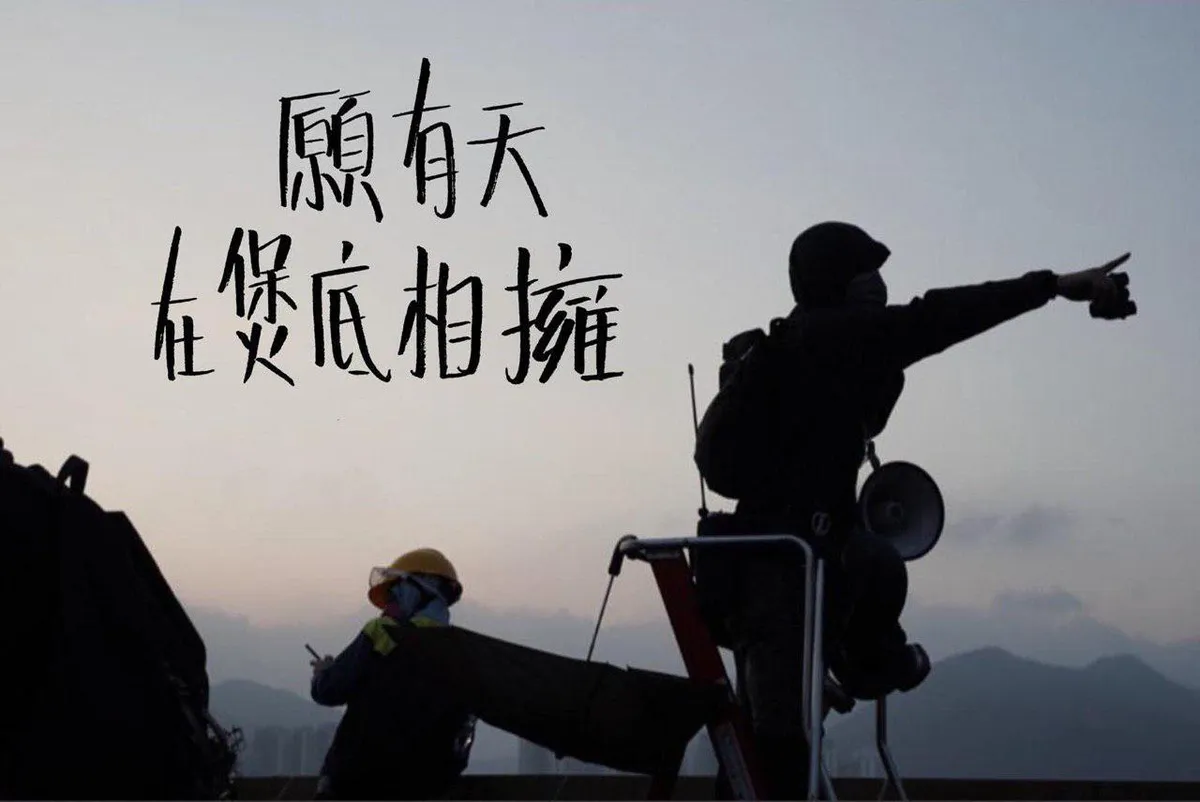
Last, but not least... a dream, a prayer: 願有一天煲底見! '煲底' refers to the HK Legislative Council building. Or more specifically, there's a space underneath the round part of the building where gatherings used to take place in the past. It is the hope that one day, we can finally see each other again, those who fought side by side.
The 煲底 art took on a slightly different layer of meaning during the height of the Poly siege. These were all trying to say - Don't die. Please, please don't die.
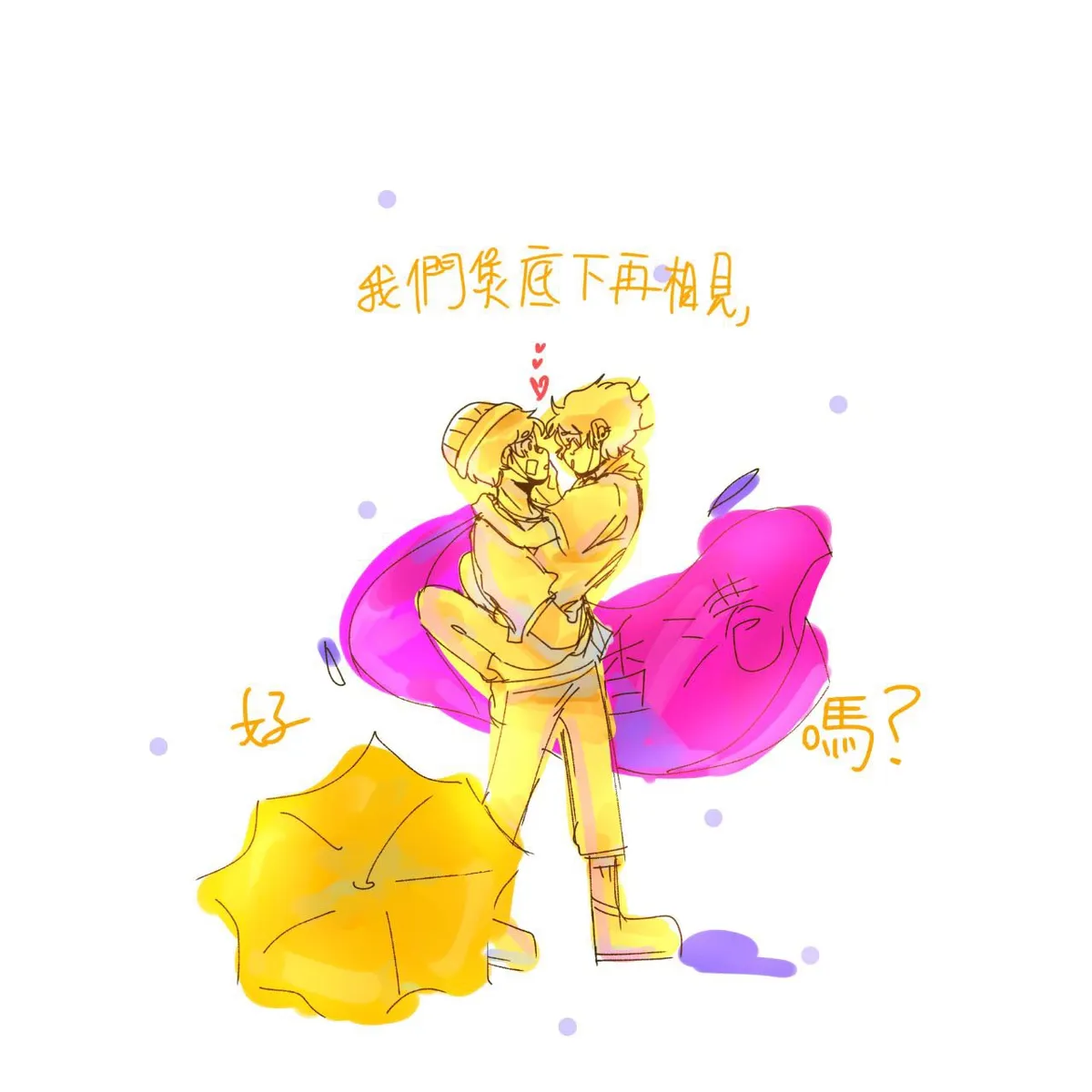
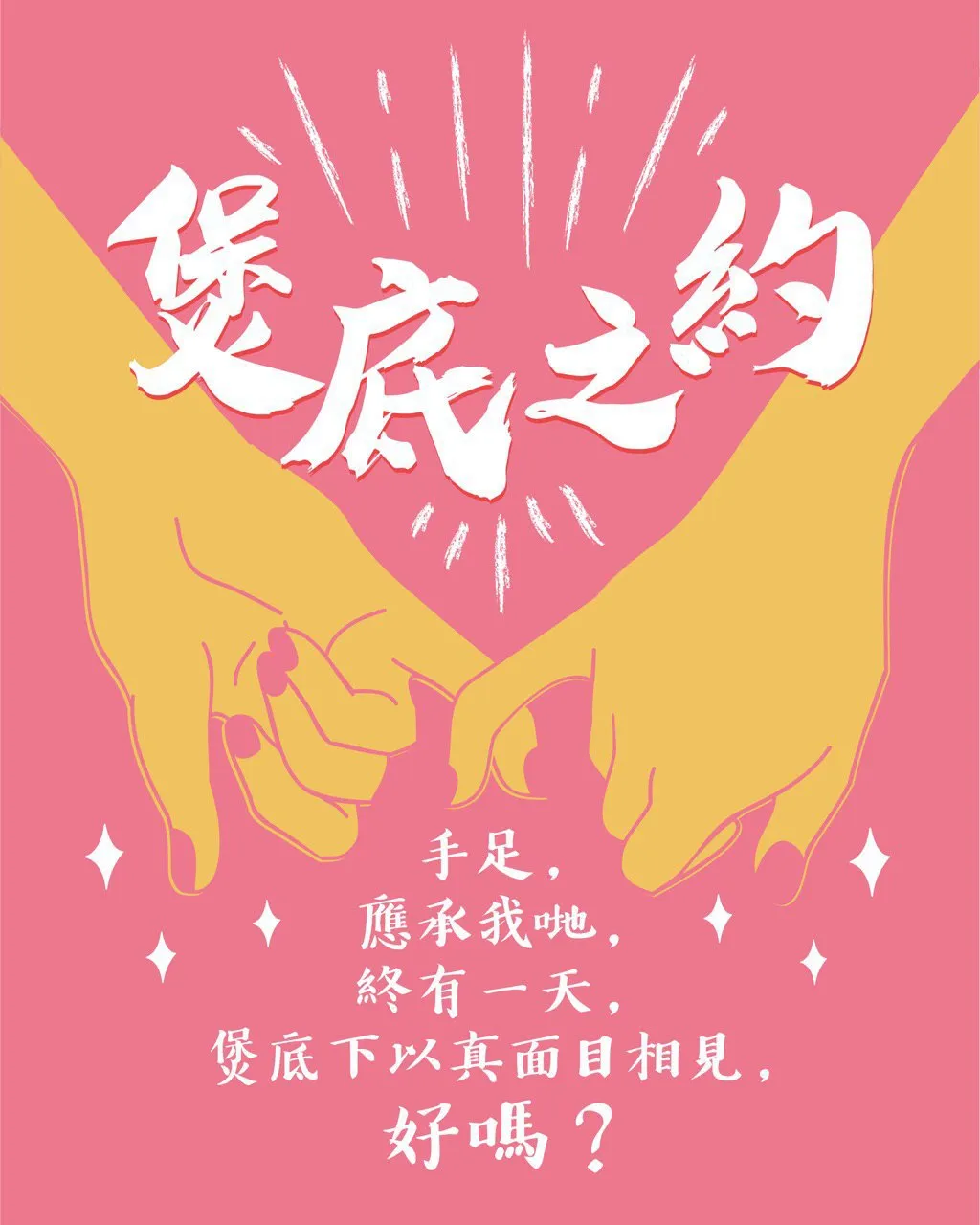
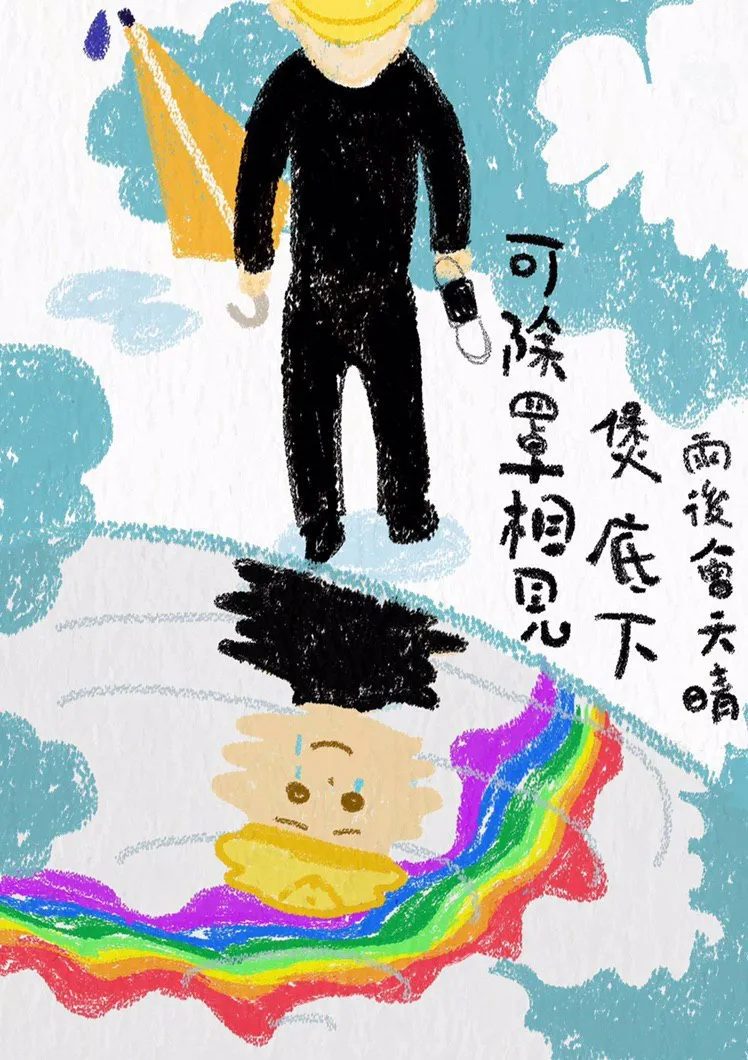
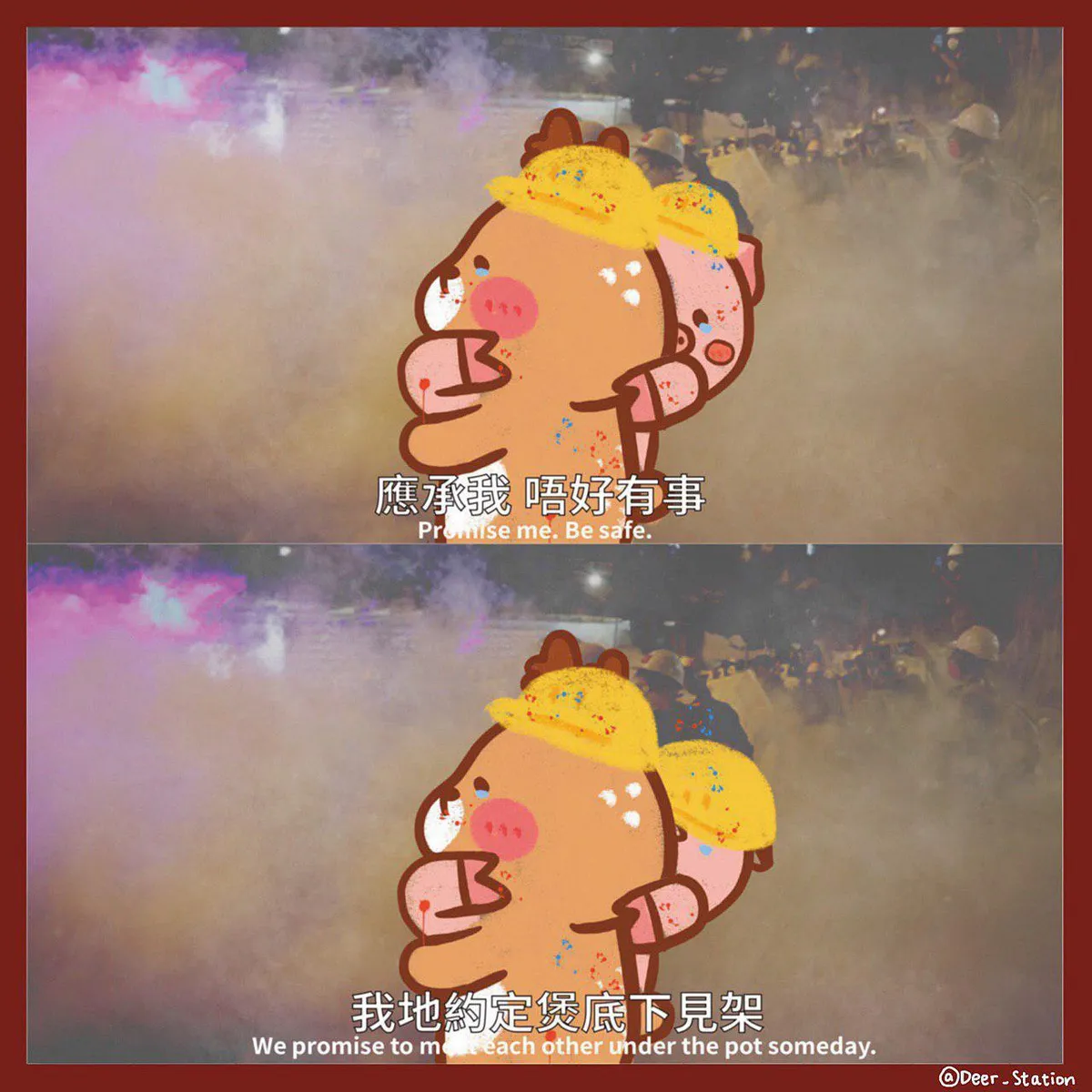
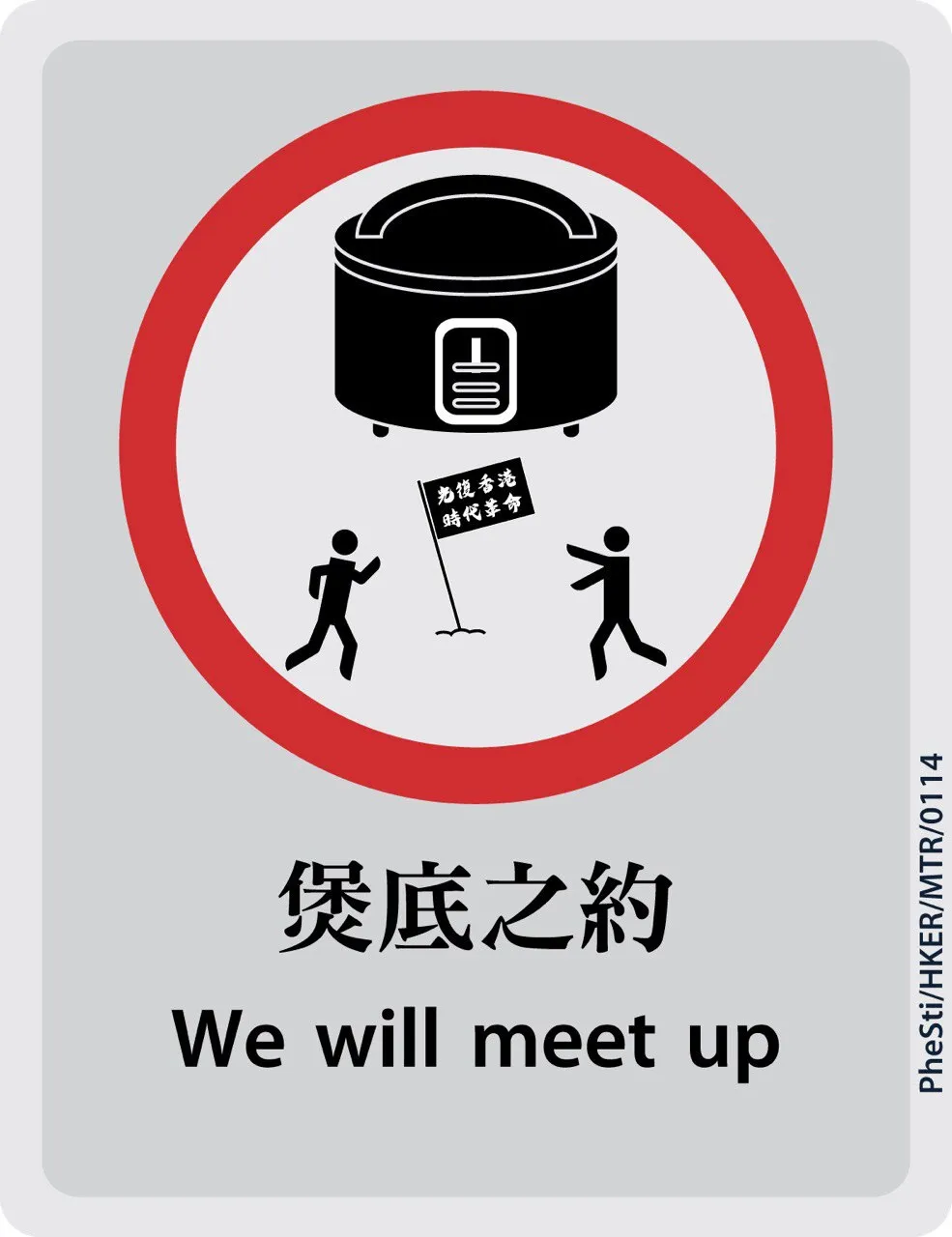
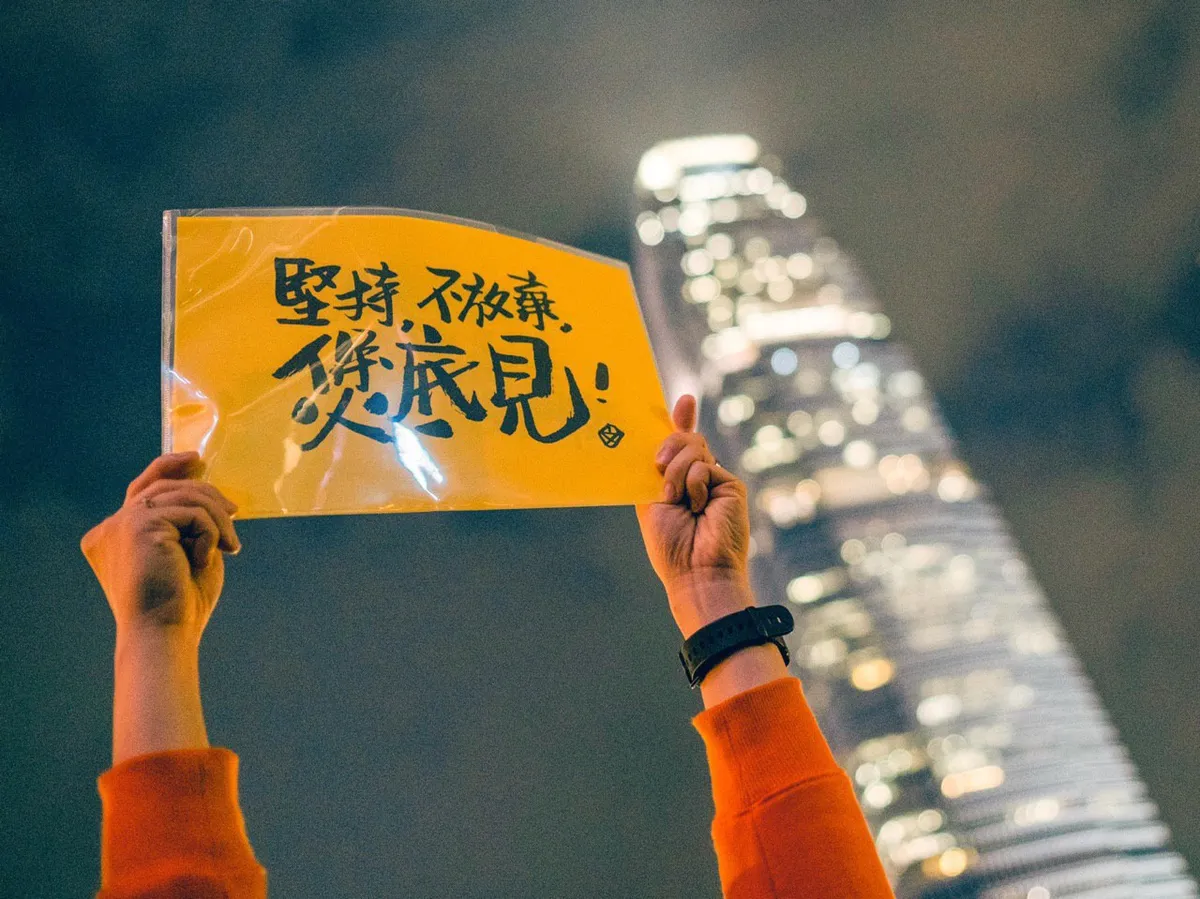
And to those who still don't entirely understand - artist Ah To captures what 煲底之約 means perfectly.
As an aside, a prolific doodler in the pro-democracy movement, Ah To announced he had left HK and gone into self-exile in April 2022.
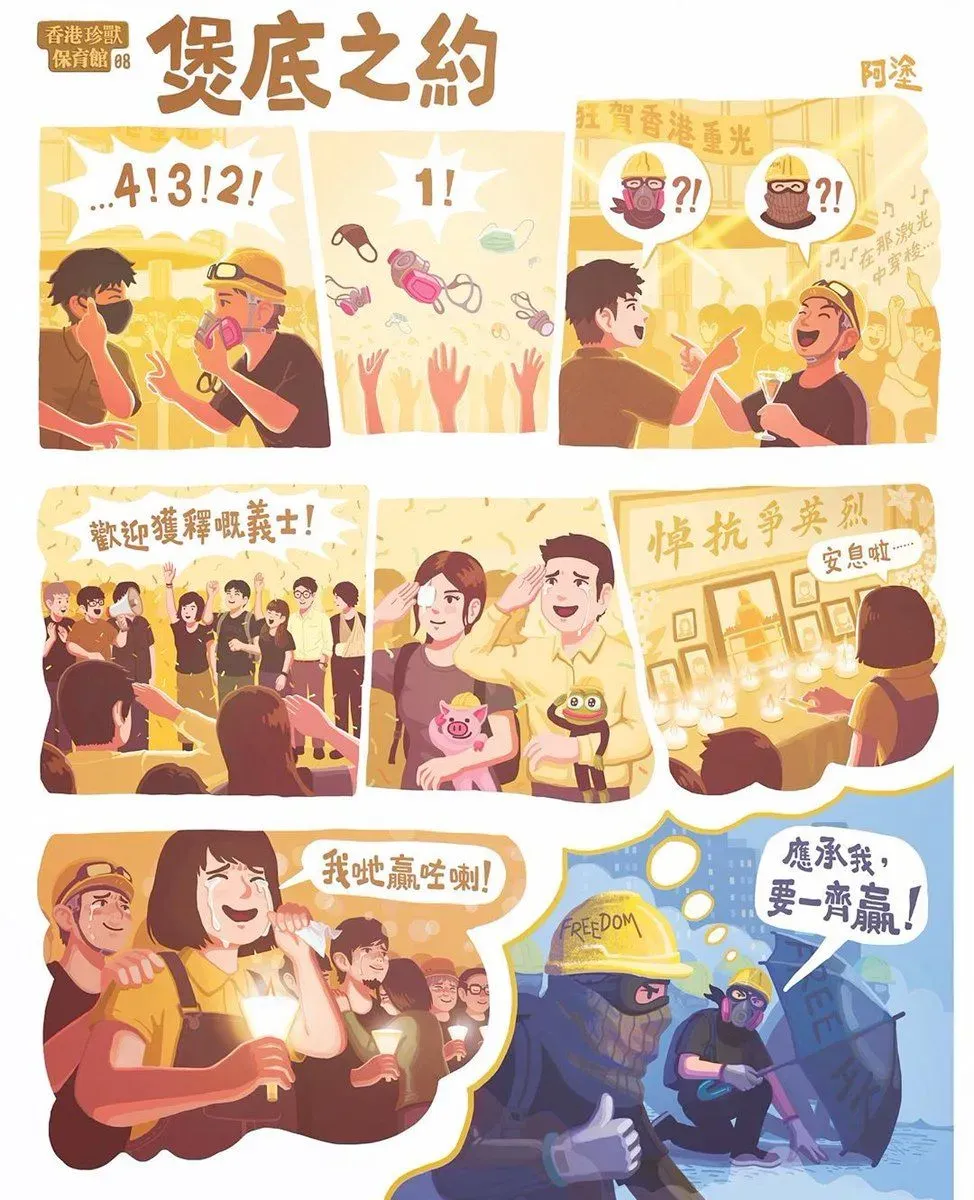
See Part 1 at Fighting Words (Part 2) See Part 2 at Fighting Words (Part 2) See Part 3 at Fighting Words (Part 4)